
Burrowing Owl Surveys
Professional burrowing owl habitat, burrow, and activity surveys for Florida properties before clearing, construction, permitting, or development.
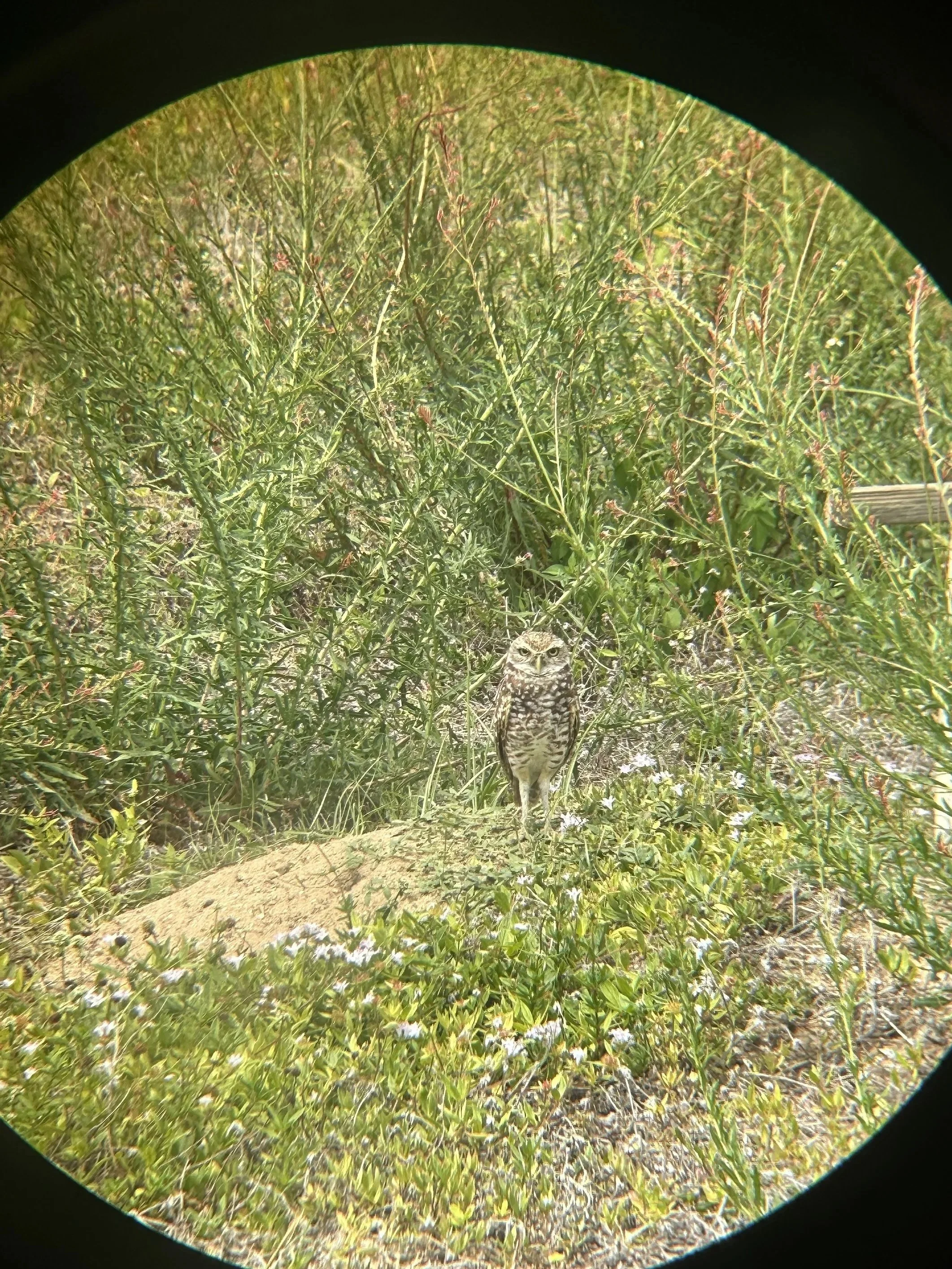
Professional Burrowing Owl Surveys for Florida Properties
Burrowing owls can affect clearing, grading, construction, and development when owls or burrows occur within or near a proposed work area. Because burrowing owls use underground burrows for shelter and nesting, it is important to identify potential burrows early in the planning process.
Bear Environmental Consulting provides professional burrowing owl surveys for property owners, builders, developers, contractors, engineers, real estate professionals, and project teams throughout Florida. Our surveys help determine whether burrowing owls, burrows, or suitable habitat may be present and whether additional avoidance, monitoring, permitting, or mitigation steps may be needed.
When a Burrowing Owl Survey May Be Needed
A burrowing owl survey may be appropriate before:
Clearing vegetation
Grading or site preparation
Building a home, structure, or commercial project
Developing vacant land
Converting pasture, open field, or agricultural land
Installing utilities
Constructing roads, driveways, or access routes
Responding to county, municipal, or agency review comments
Purchasing or evaluating property with open sandy habitat
Beginning construction in areas where burrows or owls have been observed
Burrowing owl surveys are especially important in open, sandy, sparsely vegetated, or mowed areas where suitable burrow habitat may occur.
What a Burrowing Owl Survey Includes
The exact survey scope depends on the property size, habitat conditions, and project needs. A burrowing owl survey may include:
Desktop review of the property and surrounding area
Review of proposed work limits, if available
Field review of suitable burrowing owl habitat
Pedestrian survey of accessible areas
Observation for burrowing owls, burrows, feathers, pellets, whitewash, prey remains, or other signs
Identification of potentially occupied burrows
GPS mapping of observed burrows or owl activity
Representative site photographs
Summary of survey findings
Recommendations for avoidance, additional survey, permitting, or mitigation, if needed
The purpose of the survey is to provide a clear understanding of whether burrowing owl concerns may affect the project.
Survey Results and Next Steps
After the survey is complete, Bear Environmental Consulting provides a clear summary of the findings and recommended next steps.
Possible survey outcomes may include:
No Burrowing Owls or Burrows Observed
If no burrowing owls or burrows are observed within the survey area, the survey summary can document the field review and observed site conditions. Depending on the project, no additional burrowing owl action may be recommended at that time.
Suitable Habitat Present, But No Burrows Observed
If suitable habitat is present but no burrows are observed, the report may document the habitat conditions and recommend general awareness during site work. Additional review may be recommended if conditions change or if burrows are observed later.
Burrows Observed, Occupancy Uncertain
If burrows are observed but owl activity is uncertain, additional observation, avoidance, monitoring, or further evaluation may be recommended before work occurs near the burrows.
Active or Potentially Occupied Burrows Observed
If burrowing owls, eggs, young, or active/potentially active burrows are observed within or near proposed work areas, avoidance, buffers, monitoring, permitting, or mitigation may be needed before the project proceeds.
Why Burrowing Owl Surveys Matter
Burrowing owl concerns can become much more difficult to manage if they are discovered after clearing, grading, or construction has already started. A survey completed early in the planning process can help reduce the risk of project delays and unexpected compliance issues.
A burrowing owl survey can help answer questions such as:
Are burrowing owls or burrows present on the property?
Is suitable burrowing owl habitat present?
Are burrows located within or near proposed work areas?
Could clearing, grading, or construction affect owls or burrows?
Is avoidance possible?
Are buffers, monitoring, permitting, or mitigation likely to be needed?
Should the project team adjust work limits or timing?
What should be done before construction begins?
Identifying potential burrowing owl concerns early helps property owners and project teams make informed decisions before work begins.
Common Projects That Need Burrowing Owl Surveys
Burrowing owl surveys are commonly requested for:
Residential lot clearing
Single-family home construction
Commercial development
Subdivision development
Pasture or open field conversion
Agricultural site work
Roadway, driveway, or access improvements
Utility installation
Solar or infrastructure projects
County or municipal development review
Properties with observed burrows or owl activity
Projects where burrows are discovered during planning or construction
If you are unsure whether your property needs a burrowing owl survey, Bear Environmental Consulting can review the project location, habitat conditions, and proposed work to help determine the appropriate next step.
Burrowing Owl Habitat in Florida
Burrowing owls often use open areas with short vegetation and well-drained soils. In Florida, potential habitat may include vacant lots, pastures, agricultural fields, airports, golf courses, schools, parks, roadsides, and other open or disturbed areas.
Burrows may be located in sandy soils, berms, open fields, maintained turf, pasture, or sparsely vegetated uplands. Some burrows may be easy to see, while others may be small, partially collapsed, vegetated, or difficult to identify without a focused field review.
Because burrowing owls can occur in both rural and developed landscapes, a professional survey can help determine whether burrows or owl activity may affect a project.
Burrowing Owl Seasonality
Burrowing owls may use burrows year-round, but the breeding season is especially important for project planning. FWC’s guidelines define the Florida burrowing owl breeding season as February 15 through July 10, while also noting that owls can breed earlier or later.
During the breeding season, burrows may contain eggs or flightless young. FWC’s guidelines state that potentially occupied burrows containing eggs or flightless young are considered active burrows, and that FWC typically does not issue permits for take of active nests except in situations involving health and human safety.
Because timing can affect project options, burrowing owl surveys are best completed before clearing, grading, or construction is scheduled, especially if work may occur during the breeding season.
Protected Distances Around Burrowing Owl Burrows
FWC’s Species Conservation Measures and Permitting Guidelines for the Florida Burrowing Owl identify two important distance thresholds for activities near potentially occupied burrows: 10 feet and 33 feet.
FWC states that disturbances within 10 feet of a potentially occupied burrow entrance at any time of year are expected to cause take, unless the activity is specifically identified as not expected to cause take. During the breeding season, February 15 through July 10, disturbances within 33 feet of a potentially occupied burrow entrance are expected to cause take unless otherwise excepted.
This means that clearing, grading, construction, equipment access, staging, or other site work near a burrowing owl burrow should be evaluated carefully before work begins. Depending on the project activity, burrow status, site conditions, and timing, avoidance, monitoring, permitting, or mitigation may be needed.
What You Receive
Depending on the project scope, deliverables may include:
Burrowing owl survey report or summary
Burrow location map
GPS data or GIS-based exhibits
Representative site photographs
Summary of observed owls, burrows, or signs
Habitat observations
Discussion of potential avoidance or permitting needs
Recommended next steps
Reports can be prepared for property owners, builders, developers, engineers, agencies, or project teams as needed.
Important Limitations
A burrowing owl survey documents observed conditions at the time of the survey. Wildlife activity and site conditions can change over time, and new burrows may be created after the survey is completed.
A survey does not authorize impacts to burrowing owls, active nests, eggs, young, or protected burrows. If burrowing owls or active/potentially active burrows are located within or near proposed impact areas, avoidance, permitting, monitoring, or mitigation may be required before work can proceed.
For projects moving toward clearing or construction, it is important to complete appropriate review and any required coordination before disturbing potential burrowing owl habitat.
A burrowing owl survey also has a limited useful lifespan. FWC’s Species Conservation Measures and Permitting Guidelines for the Florida Burrowing Owl recommend that the first project planning survey be conducted no more than 90 days before submission of a permit application, with a follow-up survey conducted at least 30 days after permit application submission to account for the potential for owls to leave from or move within the project boundary. FWC also recommends pre-activity surveys no more than 48 hours before clearing, grading, or construction begins in the active portion of the project site to identify any burrows that may have been established after the planning survey and to confirm that active nests are not present. Because burrowing owl activity can change over time, older survey results may need to be updated before permitting, clearing, or construction proceeds.
Related Services
Depending on the survey results and project needs, Bear Environmental Consulting may also assist with:
Need a Burrowing Owl Survey?
Contact Bear Environmental Consulting before clearing, grading, building, or developing your property. Provide the property address, parcel ID, county, and a brief description of the proposed work, and we can help determine the appropriate survey scope.