
Migratory Bird & Nesting Services
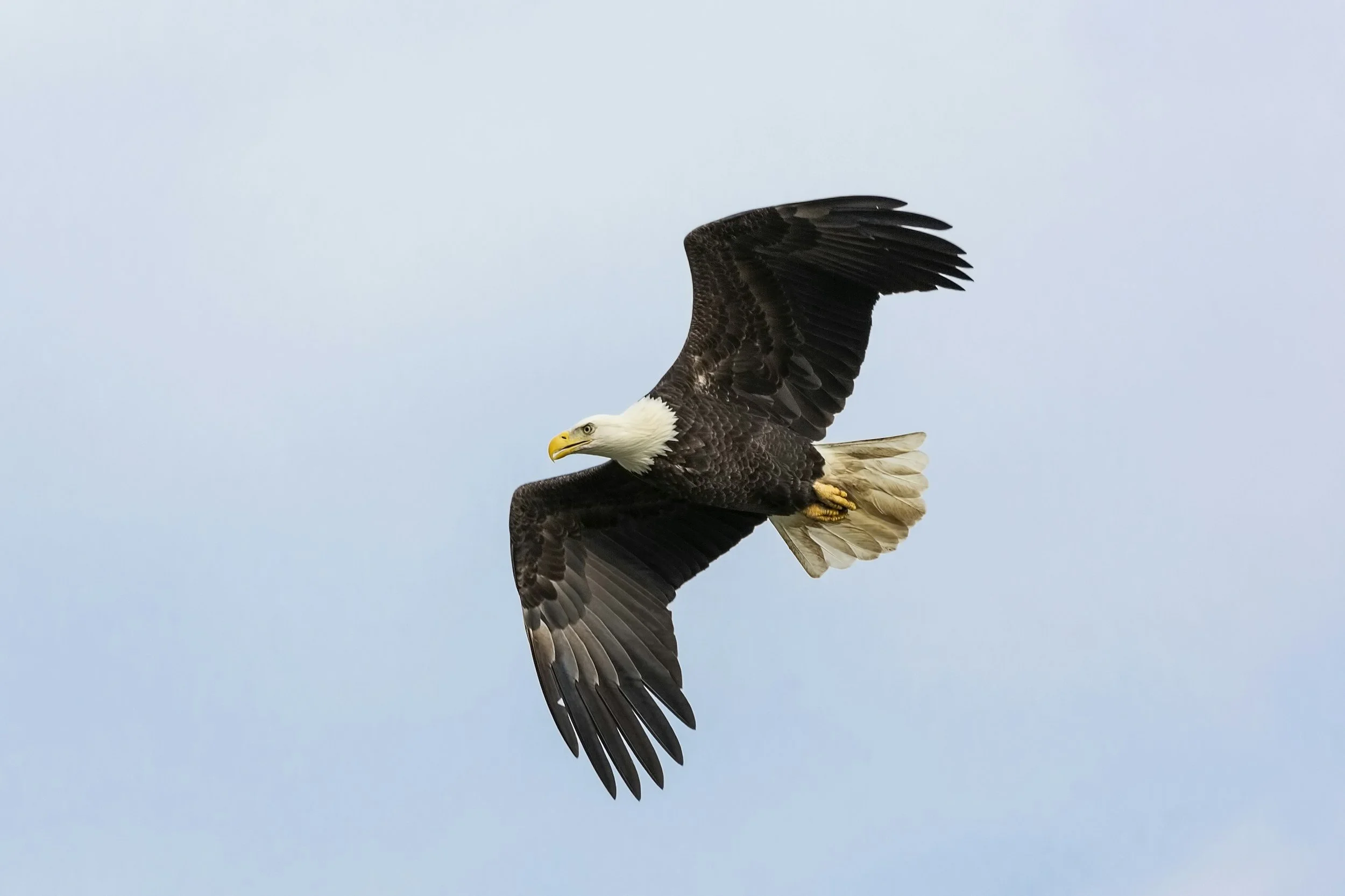
Nest evaluations, construction planning, and compliance support for Florida projects involving protected birds or active nests.
Learn more about the migratory bird & nesting services we offer:
Nest evaluations, construction planning, and compliance support
Many native birds in Florida are protected under the federal Migratory Bird Treaty Act, commonly referred to as the MBTA. These protections can affect clearing, tree removal, demolition, structure maintenance, construction timing, and other project activities when active nests, eggs, chicks, or dependent young are present.
Bear Environmental Consulting provides migratory bird and nest compliance support for property owners, builders, developers, contractors, utility providers, land managers, and project teams throughout Florida. Our services help identify potential nesting concerns, evaluate project timing, document site conditions, and recommend practical next steps before work begins.
Why Migratory Bird Compliance Matters
The U.S. Fish and Wildlife Service explains that most bird nests are protected under the Migratory Bird Treaty Act and that it is illegal to destroy a nest that contains eggs or chicks, or where young birds are still dependent on the nest for survival.
FWC also states that all native bird species in Florida are protected under the MBTA, regardless of whether they migrate, and that no intentional take of these birds, their eggs, nests, or young is permitted without proper authorization.
For project teams, this means nesting birds should be considered before activities such as:
Tree removal
Vegetation clearing
Grubbing or grading
Demolition
Structure maintenance
Utility work
Bridge, tower, or pole work
Roof, sign, or lighting repairs
Shoreline or dock work
Construction near known nests
Work near raptor nests, wading bird colonies, or other sensitive bird-use areas
Early review helps avoid delays, accidental impacts, and last-minute construction shutdowns.
Active Nests vs. Inactive Nests
Active Nests
An active nest may contain eggs, chicks, or dependent young, or may otherwise be actively used for nesting. Active nests are the highest concern for construction and vegetation-clearing projects.
If an active nest is present, the safest approach is usually to avoid disturbing the nest until the young have fledged and are no longer dependent on the nest. Depending on the species, project activity, and site conditions, monitoring or agency coordination may also be recommended.
Inactive Nests
An inactive nest generally does not contain eggs, chicks, or dependent young and is not currently being used for nesting. Inactive nests may be treated differently depending on the species, nest location, and whether other laws apply.
For example, FWC states that inactive nest removal from a man-made structure for non-listed migratory birds, such as ospreys and other raptors, no longer requires an FWC permit. However, state-listed species, eagle nests, and some federally regulated situations may require additional review or authorization.
Because nest rules vary by species and nest status, a professional evaluation can help determine the appropriate next step.
Non-Listed Migratory Birds, State-Listed Species, and Eagles
Not all bird nest situations are handled the same way.
Non-Listed Migratory Birds
If no gopher tortoise burrows are observed within the survey area, the report can document the survey effort and observed site conditions. Depending on project requirements, the client may be able to proceed without gopher tortoise relocation, although other environmental constraints may still apply.
State-Listed Species
If the nest belongs to a state-listed species, additional state-level requirements may apply. FWC directs people to contact the appropriate Regional Species Conservation Biologist or Protected Species Permit Office for technical assistance when state-listed species are involved.
Bald Eagles and Golden Eagles
Eagle nests may involve additional federal protections under the Bald and Golden Eagle Protection Act. FWC states that bald eagle permits are no longer issued by FWC, but a U.S. Fish and Wildlife Service permit may still be needed.
Because the applicable path depends on species, nest status, and project activity, it is important to identify the bird and evaluate the situation before removing or disturbing a nest.
When a Nest Evaluation May Be Needed
A nest evaluation may be appropriate when:
A bird nest is found in a tree, structure, pole, sign, roof, building, or project area
Vegetation clearing or tree removal is planned during nesting season
A contractor discovers eggs, chicks, or adult birds using a nest
Birds are nesting on a building, equipment, light pole, communication tower, bridge, dock, or utility structure
A project may occur near a raptor nest, wading bird colony, or active nesting area
Work has stopped because a nest was discovered
A client needs documentation before clearing or construction resumes
A project team needs guidance on buffers, timing, or monitoring
Nest evaluations are especially useful when project schedules are tight and a clear, documented recommendation is needed.
What the Evaluation May Include
Depending on the project and site conditions, a migratory bird or nest evaluation may include:
Field inspection of the nest location
Visual observation of adult bird activity
Evaluation for eggs, chicks, or dependent young when visible and appropriate
Species identification or likely species determination
Assessment of nest status
Review of proposed work activities
Recommended avoidance distance or work limitation area
Construction timing recommendations
Monitoring recommendations
Site photographs
Written summary or documentation for the project team
Recommendations for agency coordination when needed
The scope can be adjusted depending on whether the concern involves a single nest, multiple nests, vegetation clearing, a structure, utility work, or a larger construction project.
Construction Timing and Nesting Season Considerations
Bird nesting activity in Florida can vary by species, location, weather, and habitat type. Some species nest during spring and summer, while others may nest earlier, later, or even at different times of year depending on local conditions.
Because nesting season is not the same for every species, the best approach is to evaluate site conditions before work begins rather than assuming a nest is inactive based on the calendar alone.
Project teams can reduce risk by:
Scheduling vegetation clearing outside peak nesting periods when practical
Completing pre-construction nest surveys before clearing or tree removal
Clearly marking active nest avoidance areas
Training crews to stop work and report newly discovered nests
Active monitoring when work occurs near active nests
Documenting nest status before resuming work
If a Nest Is Found During Construction
If a nest is discovered during clearing, grading, demolition, maintenance, or construction, work should stop in the immediate area until the nest can be evaluated.
A nest evaluation can help determine:
What species may be using the nest
Whether the nest appears active or inactive
Whether eggs, chicks, or dependent young may be present
Whether work can continue outside an avoidance area
Whether monitoring is recommended
Whether agency coordination or authorization may be needed
When the project area may need to be rechecked
This process can help reduce the risk of accidental impacts while allowing the project team to make informed decisions.
What You May Receive
Depending on the project scope, deliverables may include:
Nest evaluation summary
Site photographs
Species identification notes
Active/inactive nest status observations
Recommended avoidance area or buffer
Construction timing recommendations
Monitoring recommendations
Documentation for contractors, owners, or project files
Agency coordination support, where appropriate
Recommended next steps
Important Limitations
Migratory bird and nest compliance depends on species, nest status, timing, location, project activity, and applicable federal or state requirements. A nest evaluation documents observed conditions at the time of review, but bird activity can change quickly.
A nest evaluation does not authorize take, disturbance, or removal of protected birds, eggs, chicks, active nests, or other regulated resources. If agency authorization is required, work should not proceed until the appropriate permit, authorization, or guidance has been obtained.
Because nests can become active after a survey is completed, additional pre-activity checks or monitoring may be recommended before clearing, demolition, tree removal, or construction begins.
Related Services
Depending on the project, Bear Environmental Consulting may also assist with:
Found a Bird Nest on Your Project Site?
Contact Bear Environmental Consulting before removing the nest, clearing vegetation, or continuing work in the immediate area. We can help evaluate the nest, document site conditions, and recommend appropriate next steps.