
Migratory Bird Nest Surveys
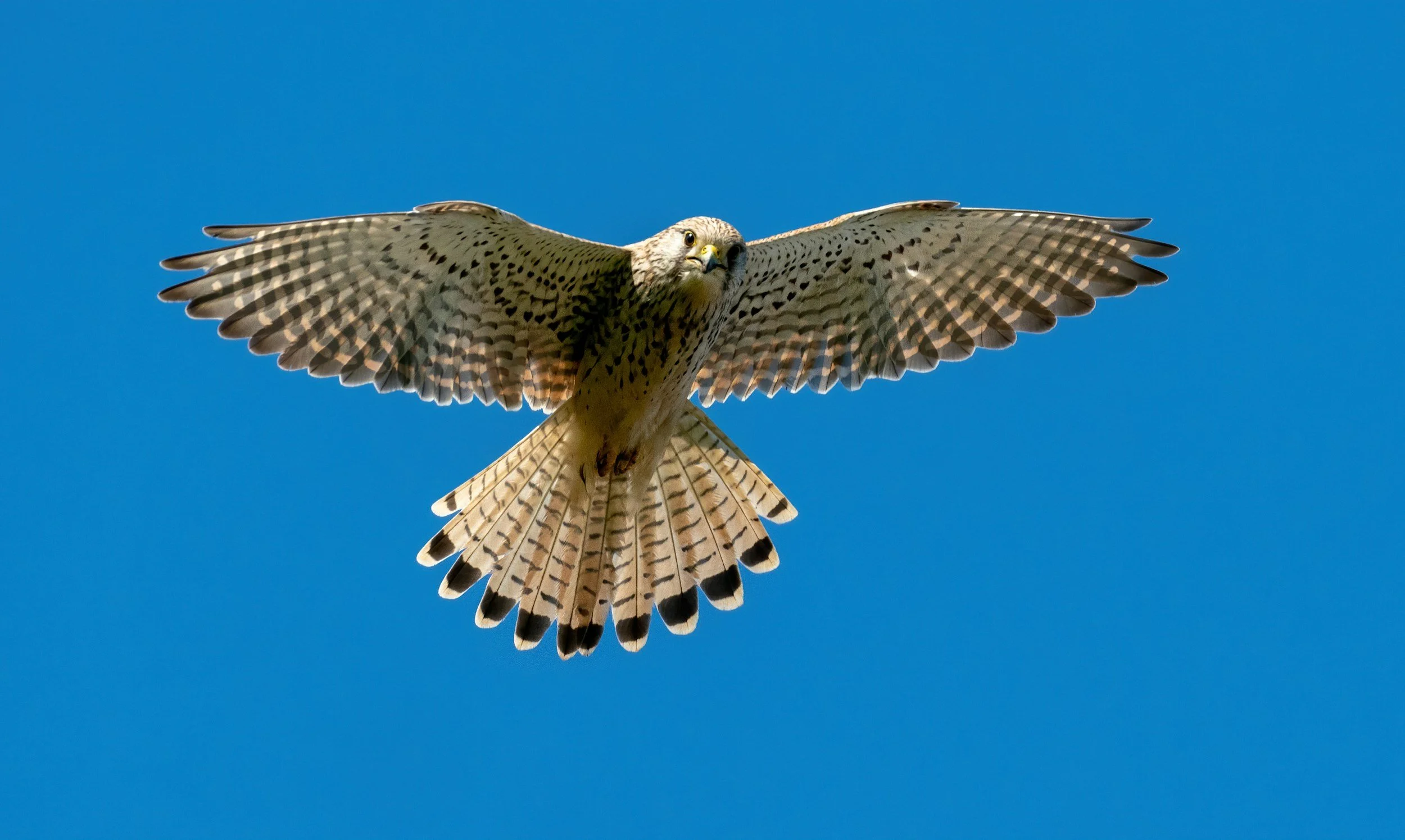
Professional nest surveys and active nest evaluations for Florida clearing, construction, demolition, and maintenance projects.
Nest Surveys Before Clearing, Tree Removal, Construction, or Demolition
Many native birds in Florida are protected under the federal Migratory Bird Treaty Act. These protections can affect tree removal, vegetation clearing, demolition, construction, maintenance, and other site work when active nests, eggs, chicks, or dependent young are present.
Bear Environmental Consulting provides migratory bird nest surveys for property owners, developers, builders, contractors, utility providers, land managers, and project teams throughout Florida. Our surveys help identify active nesting concerns, document site conditions, and provide practical next-step guidance before work begins.
FWC states that all native bird species in Florida are protected under the MBTA, regardless of whether they migrate, and that no intentional take of these birds, their eggs, nests, or young is permitted without proper authorization.
When a Migratory Bird Nest Survey May Be Needed
A migratory bird nest survey may be appropriate before:
Tree removal
Vegetation clearing
Grubbing or grading
Building demolition
Roof, sign, lighting, or structure maintenance
Utility, pole, or tower work
Bridge or culvert work
Shoreline, dock, or waterfront construction
Work near known bird nests
Work near raptor nests, wading bird colonies, or nesting bird activity
Construction where birds are actively using the project area
Resuming work after a nest is discovered
Nest surveys are especially useful when work is planned during nesting season, when birds are visibly active on-site, or when project teams need documentation before clearing or construction proceeds.
What a Nest Survey Includes
The exact scope depends on the project area, habitat, structures, timing, and species involved. A migratory bird nest survey may include:
Review of the proposed work area
Visual inspection for nests
Observation of adult bird behavior
Identification of active nesting activity, when visible
Species identification or likely species determination, when possible
Evaluation of whether nests appear active or inactive
Review of trees, shrubs, structures, poles, equipment, or other nesting locations
Site photographs
Nest location documentation
Recommended avoidance areas or buffers, when appropriate
Construction timing or monitoring recommendations
Written summary or documentation for the project team
The goal is to help determine whether active nests may be affected and what steps should be taken before work continues.
Active Nest Evaluations
An active nest may contain eggs, chicks, or dependent young, or may show other signs of current nesting activity. Active nests are generally the primary concern for construction, clearing, demolition, and maintenance projects.
The U.S. Fish and Wildlife Service explains that most bird nests are protected under the MBTA and that it is illegal to destroy a nest that has eggs or chicks in it, or where young birds are still dependent on the nest for survival.
Signs of an active nest may include:
Adult birds repeatedly entering or leaving the nest
Adult birds carrying nesting material or food
Visible eggs or chicks
Vocal young
Defensive behavior by adult birds
Fresh nesting material
Recent droppings or other signs of use
If an active nest is present, the appropriate next step may include avoidance, monitoring, timing adjustments, agency coordination, or waiting until the young have fledged and are no longer dependent on the nest.
Active Nests vs. Inactive Nests
Active Nests
Active nests should be treated carefully. If eggs, chicks, or dependent young are present, removal or disturbance may require authorization and should not proceed without confirming the appropriate regulatory path.
For many projects, the most practical approach is to establish an avoidance area and wait until the nest is no longer active. The appropriate buffer or work limitation area depends on the species, nest location, activity type, and site conditions.
Inactive Nests
Inactive nests may be treated differently depending on the species and location. FWC states that removal of inactive nests for non-listed birds is authorized under Rule 68A-16.003, F.A.C.; however, a USFWS permit may be needed for removal of an active nest, and FWC recommends contacting the USFWS Region 4 Migratory Bird Permit Office to determine what federal authorization may be required for activities involving migratory bird species, nests, or parts.
Because nest status can change quickly, a nest that appears inactive at one point may become active later. Pre-activity checks or monitoring may be recommended when work will occur close to nests or nesting habitat.
Species-Specific Considerations
Not every nest situation is handled the same way. The applicable path depends on species, nest status, whether the species is state-listed or federally protected under additional laws, and whether the nest is located in vegetation, on a structure, or in another work area.
Non-Listed Migratory Birds
For common non-listed native birds, active nests with eggs, chicks, or dependent young should generally be avoided until nesting is complete unless appropriate authorization is obtained.
Many non-listed migratory birds nest seasonally and their young fledge within a relatively short timeframe after eggs are laid.
Bear Environmental Consulting can help project teams evaluate these options and coordinate appropriate next steps.
Raptors
Raptor nests can involve additional practical and regulatory concerns. FWC states that all Florida raptors are protected under the MBTA and Florida law, and that the birds, their nests, and their eggs are protected. FWC also notes that inactive nests of non-listed hawks can be removed without a permit under Rule 68A-16.003, while nests of eagles, Crested Caracara, Snail Kite, American Kestrel, and Ospreys in Monroe County cannot be removed under that rule.
Eagles
Bald eagle and golden eagle nests may involve additional federal protections under the Bald and Golden Eagle Protection Act. Nest work near eagles should be evaluated carefully before any activity occurs.
Projects near eagle nests may require additional monitoring, seasonal work restrictions, and limitations within certain distances around the nests.
State-Listed Species
If the nest belongs to a state-listed species, additional state-level and species-specific considerations may apply. In these cases, additional agency coordination, avoidance, monitoring, or permitting review may be recommended.
Two species that fall into this category in Florida are the Florida Burrowing Owl and Southeastern American Kestrel.
Construction Timing and Nesting Season
Nesting activity in Florida varies by species, habitat, and location. Some species nest primarily in spring and summer, while others may nest earlier, later, or at different times of year depending on local conditions.
Because there is no single nesting season that applies to every bird species in Florida, it is best to evaluate site conditions before work begins rather than assuming a nest is inactive based only on the calendar.
Project teams can reduce risk by:
Completing nest surveys before clearing, tree removal, or demolition
Scheduling vegetation removal outside peak nesting periods when practical
Clearly marking active nest avoidance areas
Training crews to stop work if a nest is discovered
Using monitoring when work occurs near active nests
Documenting nest status before work resumes
If a Nest Is Found During Work
If a nest is discovered during clearing, grading, demolition, maintenance, or construction, work should stop in the immediate area until the nest can be evaluated.
A nest survey can help determine:
Whether the nest appears active or inactive
What species may be using the nest
Whether eggs, chicks, or dependent young may be present
Whether work can continue outside an avoidance area
Whether monitoring is recommended
Whether agency coordination or authorization may be needed
When the area should be rechecked
This helps reduce the risk of accidental impacts while allowing the project team to make informed decisions.
What You Receive
Depending on the project scope, deliverables may include:
Nest survey summary
Active/inactive nest status observations
Species identification notes, when possible
Site photographs
Nest location map or notes
Recommended avoidance area or buffer
Construction timing recommendations
Monitoring recommendations
Documentation for owners, contractors, or project files
Agency coordination recommendations, where appropriate
Recommended next steps
Important Limitations
A migratory bird nest survey documents observed conditions at the time of the survey. Bird activity can change quickly, and new nests may be built after the survey is completed. Additional pre-activity checks or monitoring may be recommended before tree removal, clearing, demolition, or construction begins.
A nest survey does not authorize take, disturbance, or removal of protected birds, eggs, chicks, dependent young, active nests, or other regulated resources. If agency authorization is required, work should not proceed until the appropriate permit, authorization, or guidance has been obtained.
Nest status and applicable requirements depend on species, timing, location, project activity, and federal or state protections. When uncertainty exists, a conservative approach and additional coordination may be recommended.
Related Services
Depending on the project, Bear Environmental Consulting may also assist with:
Need a Migratory Bird Nest Survey?
Contact Bear Environmental Consulting before clearing, removing trees, demolishing structures, or continuing work near a bird nest. We can help evaluate the site, document nest conditions, and recommend appropriate next steps.