
Migratory Bird Nest Removal, Permitting & Mitigation
Practical guidance for Florida projects involving active nests, inactive nests, protected birds, agency coordination, and construction timing.
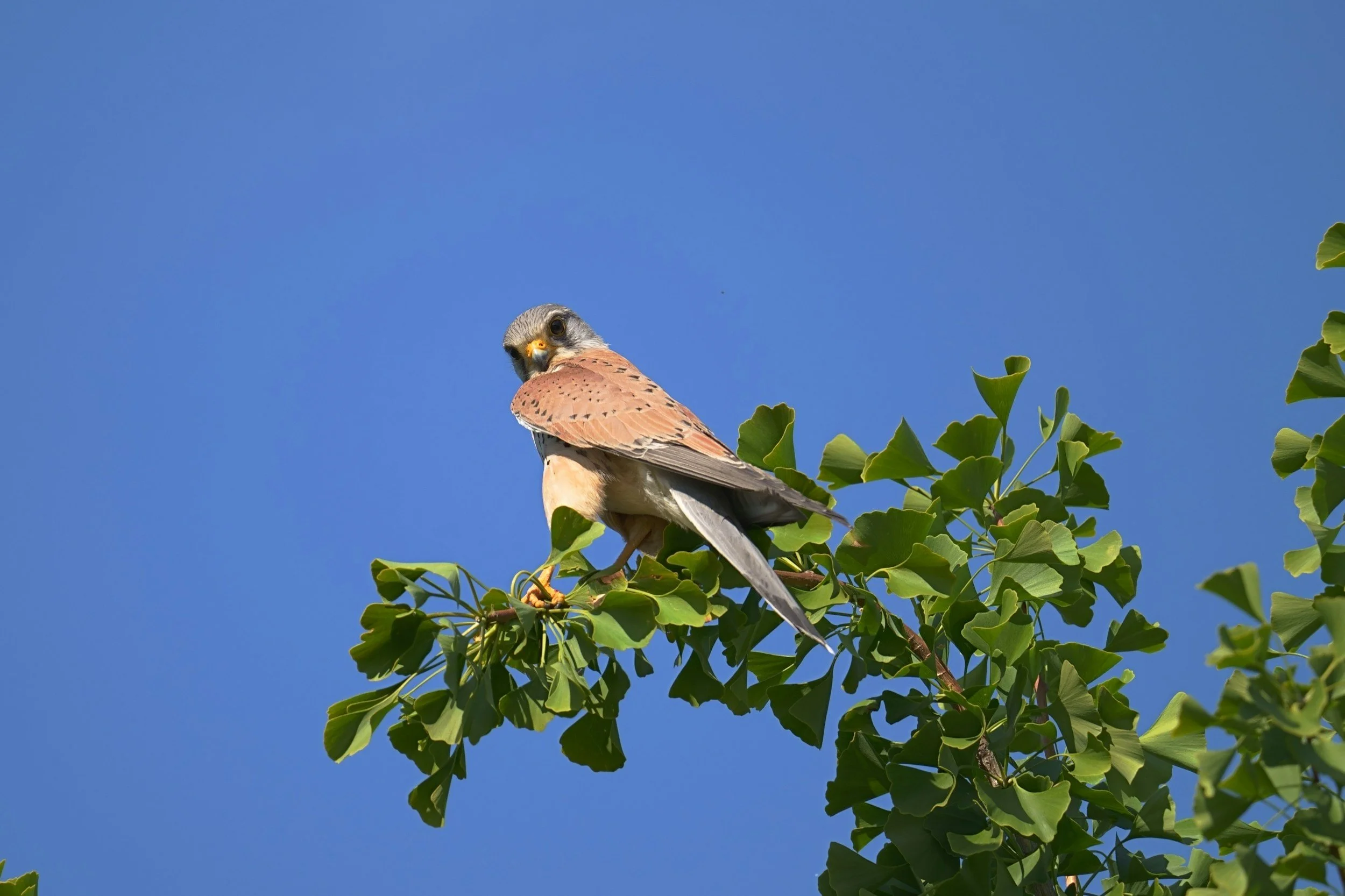
Bird nests can create urgent project concerns when they are discovered in trees, structures, utility equipment, construction areas, or other locations where work is planned. In Florida, many native birds and their nests are protected under federal and/or state law, and nest removal options depend on the species, whether the nest is active, where the nest is located, and whether proper authorization is required.
Bear Environmental Consulting provides migratory bird nest removal guidance, permitting support, mitigation assistance, and compliance recommendations for property owners, contractors, builders, developers, utility providers, land managers, and project teams throughout Florida.
Our goal is to help determine whether a nest can be avoided, whether it appears active or inactive, whether agency coordination and permitting may be needed, and what steps should be taken before removal or work near the nest proceeds.
Important Note About “Nest Removal”
Nest removal is not always allowed, and it should not be treated as the default solution. In many cases, the safest and most practical approach is to avoid the nest until it is no longer active.
The U.S. Fish and Wildlife Service explains that most bird nests are protected under the Migratory Bird Treaty Act and that it is illegal to destroy a nest that has eggs or chicks, or where young birds are still dependent on the nest for survival. USFWS also states that active nest removal permits are issued only under very limited circumstances and are usually limited to situations involving human health or safety concerns or birds in immediate danger.
For Florida projects, FWC states that removal of inactive nests for non-listed birds is authorized under Rule 68A-16.003, F.A.C.; however, a USFWS permit may be needed for removal of an active nest. FWC recommends contacting the USFWS Region 4 Migratory Bird Permit Office to determine what federal authorization or permits are required for activities involving migratory bird species, their nests, or any part of them.
When Nest Removal or Permitting Support May Be Needed
Nest removal, permitting, or mitigation support may be appropriate when:
A nest is located in a tree proposed for removal
A nest is located on a structure, roof, sign, light pole, bridge, tower, dock, or utility feature
A nest is discovered during clearing, grading, demolition, or construction
Eggs, chicks, dependent young, or active adult behavior are observed
A nest belongs to a state-listed species, raptor, eagle, osprey, kestrel, wading bird, or other sensitive species
Construction work cannot avoid the nest location
A project needs documentation before work can continue
A contractor needs guidance on whether an area should remain inactive
Agency coordination or permit review may be needed
Because nest status can change quickly, a professional evaluation should be completed before assuming a nest is inactive or removable.
Active Nest Removal
Active nests are the most sensitive nest situations. An active nest may contain eggs, chicks, dependent young, or show signs of current nesting activity.
USFWS states that it is usually required to wait for a nest to become inactive before destroying it. A nest is generally inactive when it contains no eggs or chicks and is no longer being used by birds for breeding.
Active nest removal may require federal authorization and is typically only considered under limited circumstances. Examples may include human health and safety concerns or situations where the birds themselves are in immediate danger.
When an active nest is present, possible recommendations may include:
Establishing an avoidance area
Delaying work near the nest
Monitoring the nest until young have fledged and are no longer dependent
Adjusting work limits or sequencing
Coordinating with USFWS, FWC, or another appropriate agency
Documenting site conditions and nest status
Inactive Nest Removal
Inactive nests are generally handled differently than active nests, but the rules still depend on the species and situation.
FWC states that removal of inactive nests for non-listed birds is authorized under Rule 68A-16.003, F.A.C. FWC also notes that inactive nest removal from a man-made structure for non-listed migratory birds, such as ospreys and other raptors, is a discontinued FWC permit category.
However, not every inactive nest should be treated the same way. Additional review may be needed when the nest involves:
a state-listed species
bald eagle or golden eagle
osprey nests in certain situations
Southeastern American kestrel nest cavities
burrowing owls or burrows
colonial nesting birds
nests on man-made structures
federal authorization requirements
project-specific permit conditions
Before removing an inactive nest, it is important to confirm the species, nest status, location, and applicable regulatory path.
Permitting and Agency Coordination
Permit requirements depend on the species, nest status, location, and project activity.
-
USFWS is the primary federal agency for Migratory Bird Treaty Act permits. USFWS may need to be contacted when work could involve active nests, eggs, chicks, dependent young, or other activities requiring federal authorization.
-
FWC may be involved when the species is state-listed, when state rules apply, or when state-level guidance is needed. FWC’s protected wildlife permit page notes that active nest removal permits for non-listed migratory birds are no longer issued by FWC, although federal authorization may still be required from USFWS.
-
Bald eagle and golden eagle nests may involve additional federal protections under the Bald and Golden Eagle Protection Act. FWC states that bald eagle permits are no longer issued by FWC, but a USFWS permit may still be needed.
-
If the nest belongs to a state-listed species, additional state-level requirements may apply. In these situations, agency coordination, avoidance, monitoring, permitting, or mitigation review may be recommended before work proceeds.
Mitigation Considerations
Mitigation may be required or recommended when nest impacts, habitat impacts, or species-specific take cannot be avoided. Mitigation requirements vary by species, project type, nest status, and applicable agency guidance.
Mitigation may include:
avoiding the nest until it becomes inactive;
maintaining temporary construction buffers;
installing replacement nesting structures, where appropriate and authorized;
preserving or managing nearby nesting habitat;
scheduling work outside sensitive nesting periods;
monitoring active nests during nearby work;
implementing species-specific conservation measures;
providing agency-approved mitigation for permitted impacts.
For some species, mitigation requirements can be very specific. For example, FWC’s Southeastern American kestrel incidental take permit page identifies mitigation options for harassment of a nesting pair, removal of an inactive nest cavity, and significant habitat modification.
Species-Specific Nest Situations
Depending on the species that inhabits a nest, different expectations and outcomes are possible:
-
For non-listed native birds, active nests with eggs, chicks, or dependent young should generally be avoided until nesting is complete unless proper authorization is obtained.
-
Raptors may nest in trees, structures, poles, towers, or other elevated locations. Raptor nests should be evaluated carefully, especially if adults are actively using the nest or if eggs or young may be present.
-
Southeastern American kestrels use cavities rather than typical open cup nests. Projects involving cavity removal, nesting-pair harassment, or significant habitat modification may require species-specific review.
-
Bald eagle and golden eagle nest situations should be evaluated separately because additional federal protections may apply.
-
Wading birds and other colonial nesters can be sensitive to disturbance. Work near colonies may require additional avoidance, monitoring, or agency coordination.
-
Burrowing owls use burrows rather than tree nests. Burrowing owl issues are typically handled through specific burrowing owl survey, permitting, and mitigation guidance rather than general nest removal review.
What the Process May Include
Depending on the situation, Bear Environmental Consulting can assist with:
Nest evaluation and status review;
Species identification or likely species determination;
Review of project activities and work limits;
Active versus inactive nest assessment;
Construction timing recommendations;
Avoidance and buffer recommendations;
Monitoring recommendations;
Permit pathway review;
USFWS or FWC coordination support;
Mitigation strategy review;
Documentation for owners, contractors, or project files;
Recommendations for when work may resume.
What You May Receive
Depending on the project scope, deliverables may include:
Nest evaluation summary;
Site photographs;
Active/inactive nest status observations;
Species identification notes;
Recommended avoidance area or buffer;
Construction timing recommendations;
Monitoring recommendations;
Permit or agency coordination recommendations;
Mitigation planning notes;
Documentation for contractors, owners, or project files;
Recommended next steps.
Important Limitations
Nest removal, permitting, and mitigation requirements depend on species, nest status, project activity, timing, location, and applicable federal or state requirements. A nest evaluation or consultation does not authorize take, disturbance, or removal of protected birds, eggs, chicks, dependent young, active nests, or other regulated resources.
Bird activity can change quickly. A nest that appears inactive at one time may become active later, and new nests may be established after a site visit. Additional pre-activity checks or monitoring may be recommended before clearing, tree removal, demolition, maintenance, or construction proceeds.
When agency authorization is required, work should not proceed until the appropriate permit, authorization, or guidance has been obtained.
Related Services
Depending on the project, Bear Environmental Consulting may also assist with:
Need Help With Bird Nest Removal, Permitting, or Mitigation?
Contact Bear Environmental Consulting before removing a nest, clearing vegetation, demolishing a structure, or continuing work near an active nest. We can help evaluate the situation, document site conditions, and recommend appropriate next steps.