
Restoration Planning
Site-specific planning for wetland restoration, upland enhancement, native planting, invasive vegetation management, mitigation areas, and long-term habitat improvement.
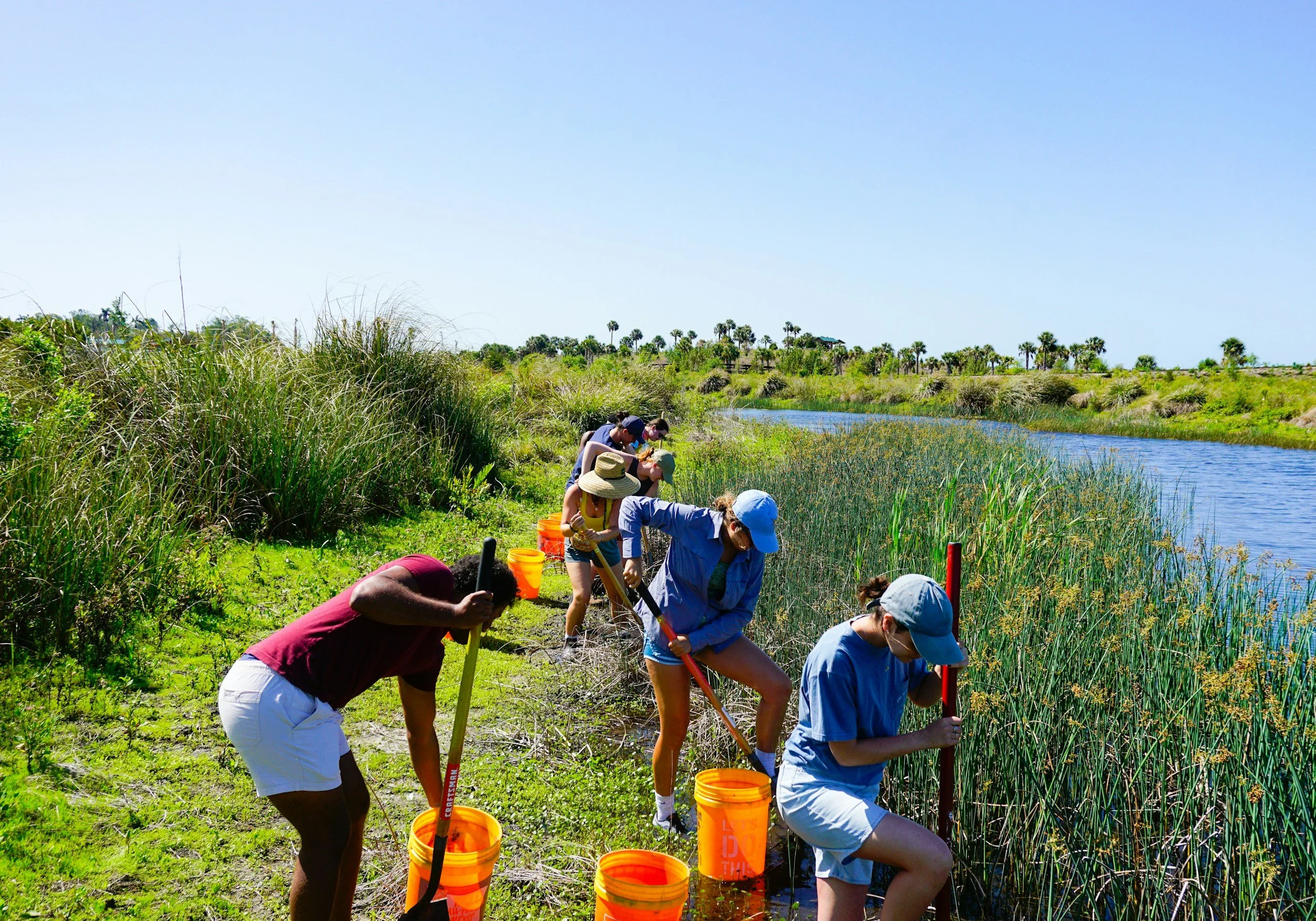
Practical Planning for Habitat Restoration, Enhancement, and Long-Term Site Management
Restoration planning helps property owners, land managers, developers, agencies, and project teams improve degraded or disturbed natural areas through thoughtful, site-specific environmental planning. In Florida, restoration projects may involve wetlands, uplands, buffers, conservation areas, mitigation sites, stormwater-adjacent areas, invasive plant management, native vegetation establishment, or habitat improvement for wildlife.
Bear Environmental Consulting provides restoration planning support for projects throughout Florida. Our goal is to help evaluate existing site conditions, identify restoration opportunities, and develop practical recommendations that support ecological improvement, permit compliance, mitigation goals, or long-term land management.
When Restoration Planning May Be Needed
Restoration planning may be appropriate when:
a wetland, buffer, or conservation area has been disturbed
a project requires restoration as part of a permit or corrective action
a mitigation, enhancement, or preservation area needs a management plan
invasive or nuisance vegetation is affecting site conditions
native vegetation needs to be re-established
a property owner wants to improve wildlife habitat
a site contains degraded wetlands, ditches, ponds, pastures, or uplands
construction impacts require stabilization or revegetation
a conservation easement or preserve area requires long-term management
a project team needs restoration recommendations before agency coordination
Restoration planning can be useful for both voluntary habitat improvement and required environmental compliance.
Restoration Planning Services
Depending on the site and project goals, Bear Environmental Consulting may assist with:
site condition review
wetland and upland habitat evaluation
invasive and nuisance vegetation observations
native plant community recommendations
restoration goal development
planting zone identification
conceptual restoration layouts
GIS mapping and restoration exhibits
erosion, disturbance, or access issue review
maintenance and adaptive management recommendations
monitoring recommendations
restoration report or technical memorandum preparation
coordination with property owners, contractors, engineers, or project teams
The scope can be tailored depending on whether the project needs a simple restoration concept, a written plan, permit support, mitigation assistance, or long-term management guidance.
Wetland Restoration and Enhancement Planning
Wetland restoration planning may be needed when a wetland has been altered, degraded, invaded by nuisance vegetation, or affected by construction or land management activities. Restoration planning can help identify actions that may improve wetland function, vegetation structure, hydrology, and habitat value.
Wetland restoration planning may consider:
existing wetland vegetation
native plant recruitment
invasive or nuisance vegetation
hydrologic indicators
soil disturbance
erosion or sediment movement
adjacent upland buffers
wildlife use
restoration planting opportunities
monitoring and maintenance needs
Depending on the project, restoration may involve invasive plant treatment, native planting, stabilization, hydrologic improvements, buffer enhancement, or long-term maintenance recommendations.
Upland Habitat Restoration and Enhancement
Upland restoration planning may be useful for degraded pastures, disturbed open lands, pine flatwoods, scrubby uplands, buffers, conservation areas, or wildlife habitat enhancement projects.
Upland restoration planning may consider:
existing vegetation and land cover
soil and drainage conditions
invasive or nuisance plant species
opportunities for native groundcover, shrub, or tree establishment
wildlife habitat goals
prescribed fire or vegetation management considerations, where applicable
mowing, maintenance, or herbicide needs
long-term land management objectives
For some properties, upland enhancement may also support broader habitat goals for species such as gopher tortoises, burrowing owls, Southeastern American kestrels, pollinators, and other wildlife.
Invasive and Nuisance Vegetation Planning
Invasive and nuisance vegetation can significantly affect the success of restoration, mitigation, and conservation areas. Restoration planning can help identify problem areas and recommend practical management steps before invasive species become more difficult or costly to control.
Planning may include review of:
invasive plant locations
approximate extent or severity
priority treatment areas
follow-up treatment needs
native vegetation recovery potential
replanting or stabilization needs after treatment
maintenance schedule recommendations
monitoring recommendations
A restoration plan can help organize invasive species treatment into a phased, practical approach that supports long-term site improvement.
Native Planting and Habitat Improvement
Native planting can be an important part of restoration, especially in disturbed areas, buffers, wetlands, stormwater-adjacent areas, or conservation areas where natural recruitment is limited.
Restoration planning may include recommendations for:
appropriate native trees, shrubs, grasses, or herbaceous plants
wetland vs. upland planting zones
spacing and density considerations
planting timing
site preparation
temporary stabilization
maintenance and watering considerations
invasive species control before and after planting
monitoring and replacement planting needs
The goal is to recommend plants and approaches that fit the site conditions, project goals, and long-term maintenance realities.
Mitigation, Permit, and Compliance Support
Some restoration projects are connected to environmental permits, mitigation requirements, agency comments, or corrective actions. In these situations, restoration planning may need to be more formal and clearly documented.
Restoration planning can support:
permit condition compliance
corrective action responses
wetland or buffer restoration
mitigation area planning
conservation area management
agency coordination
monitoring and success criteria
construction impact restoration
long-term maintenance planning
When restoration is required for compliance, the plan should be coordinated with permit conditions, agency expectations, site constraints, and the project team’s construction or management schedule.
GIS Mapping and Restoration Exhibits
Maps are often useful for restoration planning because they help show where restoration actions are proposed and how different parts of the site should be managed.
Restoration mapping may include:
restoration area boundaries
wetland and upland zones
invasive plant treatment areas
native planting zones
monitoring locations
photo points
access routes
conservation or preserve areas
maintenance zones
before-and-after condition exhibits
GIS exhibits can help property owners, contractors, agencies, and project teams understand the restoration concept and implement the plan more effectively.
Monitoring and Adaptive Management
Restoration projects often require follow-up. Even a well-designed restoration plan may need adjustment based on weather, hydrology, plant survival, invasive species response, wildlife use, or site maintenance.
Monitoring and adaptive management may include:
post-restoration site inspections
photo documentation
vegetation observations
invasive species follow-up
planting survival review
erosion or disturbance checks
maintenance recommendations
progress summaries
corrective action recommendations
Restoration is often a process rather than a one-time action. Monitoring helps determine whether the site is moving in the right direction and whether additional work is needed.
Common Restoration Planning Projects
Restoration planning may be requested for:
wetland restoration areas
wetland buffer enhancement
upland habitat enhancement
conservation easements
mitigation areas
disturbed or degraded natural areas
invasive plant management projects
stormwater-adjacent natural areas
construction impact restoration
residential or private land stewardship projects
agricultural land transition or habitat improvement
preserve or conservation area management
agency corrective action or compliance situations
What You May Receive
Depending on the project scope, deliverables may include:
restoration planning report or technical memorandum
site condition summary
restoration goal recommendations
native planting recommendations
invasive vegetation management recommendations
wetland or upland restoration concept
GIS-based restoration exhibits
planting zone map
maintenance and monitoring recommendations
photo documentation
contractor coordination notes
agency coordination support, where applicable
recommended next steps
The specific deliverables depend on the site conditions, project goals, permit requirements, and requested level of detail.
Important Limitations
Restoration planning provides recommendations based on observed site conditions, available data, and project goals. Restoration success can be affected by weather, hydrology, soil conditions, invasive species pressure, plant availability, maintenance, herbivory, construction activity, and long-term management.
A restoration plan does not guarantee agency approval, permit closeout, mitigation success, plant survival, or achievement of all ecological goals. If the project is tied to a permit, enforcement action, conservation easement, or agency requirement, additional coordination or agency approval may be needed before implementation.
Restoration work involving wetlands, surface waters, listed species habitat, protected areas, or regulated impacts should be evaluated carefully before ground disturbance, grading, planting, excavation, vegetation removal, or other site work begins.
Related Services
Depending on the project, Bear Environmental Consulting may also assist with:
Need Help Planning a Restoration Project?
Contact Bear Environmental Consulting to discuss your property, restoration goals, site conditions, and any permit or compliance requirements. We can help evaluate the site and develop practical restoration recommendations for wetlands, uplands, buffers, conservation areas, or disturbed natural areas.