
Field monitoring, documentation, and construction-phase support for projects involving listed wildlife, active nests, burrows, cavities, and avoidance areas.
Protected Species Monitoring
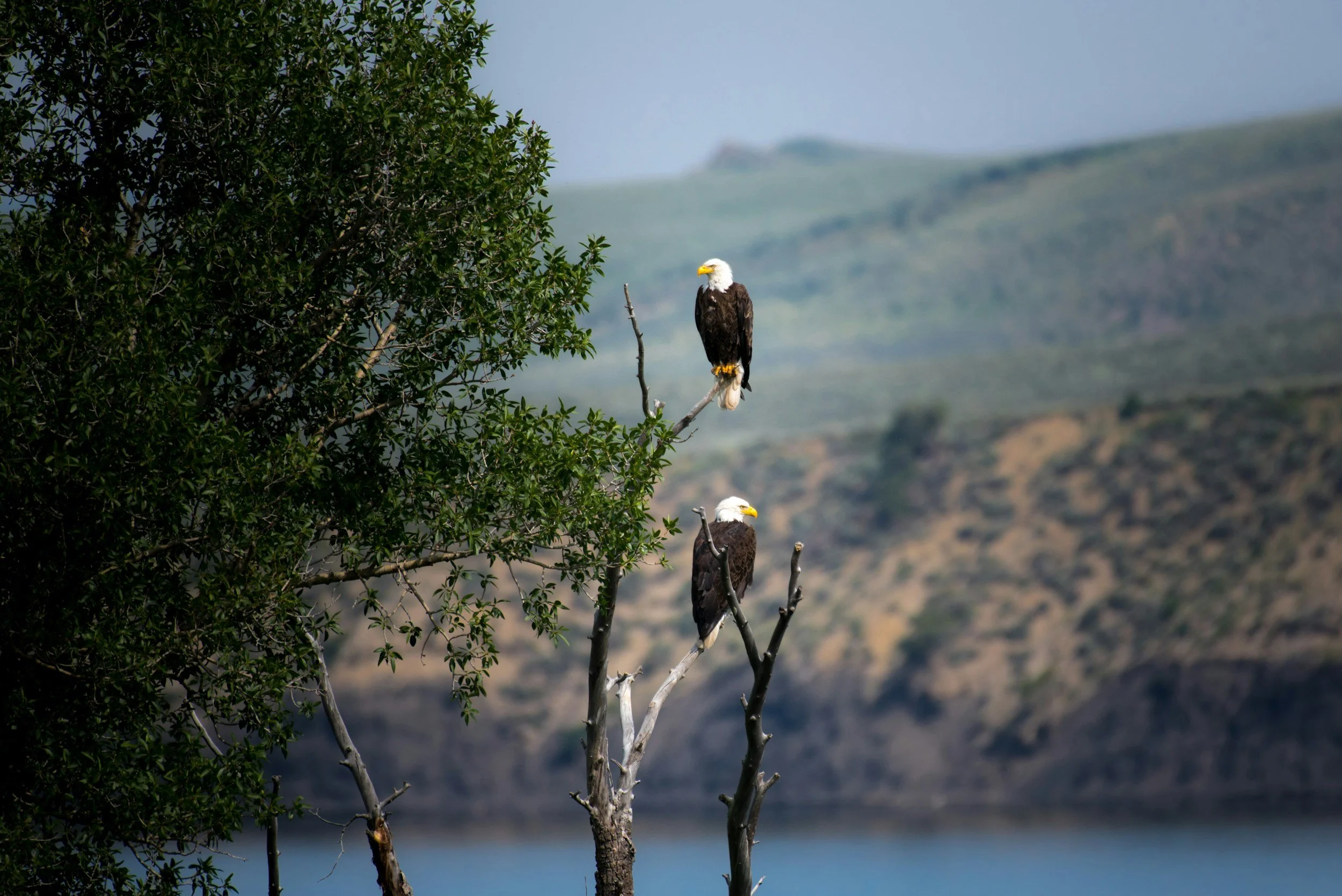
Field Monitoring for Listed Wildlife and Sensitive Species During Construction
Protected species monitoring helps project teams complete clearing, grading, construction, and site work while maintaining awareness of listed wildlife, active nests, burrows, buffers, permit conditions, and other site-specific environmental requirements.
Bear Environmental Consulting provides protected species monitoring for property owners, developers, builders, contractors, utilities, engineers, land managers, and project teams throughout Florida. This service is commonly used when protected wildlife species or sensitive habitat features are known or suspected to occur within or near an active project area.
Our role is to observe, document, communicate, and help the project team understand environmental conditions in the field.
When Protected Species Monitoring May Be Needed
Protected species monitoring may be recommended or required when:
Construction is occurring near known protected species habitat;
Listed wildlife has been observed on or near the project site;
Active nests, burrows, dens, cavities, or other wildlife features are present;
Permit conditions require environmental monitoring;
Agency guidance recommends monitoring during specific activities;
Work is occurring near gopher tortoise burrows, burrowing owl burrows, eagle nests, or kestrel nest cavities;
Avoidance buffers or restricted work areas must be maintained;
Exclusionary fencing or environmental protection measures need to be inspected;
Crews need field guidance on what to do if protected wildlife is encountered;
The project team needs documentation of monitoring activities and site conditions.
Monitoring is especially helpful when construction may proceed, but only with environmental awareness, avoidance areas, or permit conditions in place.
Species and Situations That May Require Monitoring
Protected species monitoring may apply to a wide range of wildlife and project situations. Depending on the site and project requirements, monitoring may involve:
Gopher tortoises;
Burrowing owls;
Bald eagles;
Southeastern American kestrels;
Sandhill cranes;
Wading birds;
Raptors;
Migratory nesting birds;
Listed reptiles or amphibians;
Listed mammals;
Species-specific habitat areas;
Active nests, burrows, cavities, or refugia;
Agency-identified avoidance areas.
The appropriate monitoring approach depends on the species, site conditions, project activity, season, permit requirements, and applicable guidance.
What Protected Species Monitoring May Include
The scope of monitoring depends on the project, species, construction activity, and any applicable permit or agency requirements. Protected species monitoring may include:
Pre-work site inspection;
Observation for protected wildlife before or during construction;
Monitoring of active nests, burrows, cavities, or avoidance areas;
Confirmation that crews remain outside restricted areas;
Inspection of exclusionary fencing or protective barriers;
Documentation of wildlife observations;
Coordination with site supervisors or contractors;
Recommendations if wildlife is observed in or near active work areas;
Field notes, photographs, and monitoring logs;
Daily, weekly, or final monitoring summaries;
Agency coordination support, where appropriate.
Monitoring can be scheduled daily, periodically, during specific construction activities, or as needed based on permit conditions and project risk.
Monitoring Near Active Nests, Burrows, and Cavities
Many protected species concerns are tied to specific features on a project site, such as nests, burrows, or tree cavities. These features may require avoidance, buffers, timing considerations, or monitoring during nearby work.
Protected species monitoring may be used near:
Gopher tortoise burrows;
Burrowing owl burrows;
Active migratory bird nests;
Bald eagle nest management areas;
Southeastern American kestrel nest cavities;
Raptor nests;
Wading bird nesting areas;
Other wildlife features identified during survey or permitting.
Monitoring helps document whether the feature remains undisturbed, whether wildlife activity changes, whether buffers are maintained, and whether additional review or work adjustments may be needed.
Avoidance Areas and Construction Buffers
When protected species are present, projects may include marked avoidance areas, buffer zones, exclusion fencing, or other work restrictions. These measures are intended to reduce the risk of impacts during construction.
Protected species monitoring can help confirm that:
Avoidance areas remain clearly marked;
Equipment and personnel stay outside restricted areas;
Fencing or barriers remain functional;
Construction activities remain within approved work limits;
Wildlife behavior or site conditions are documented;
Contractors understand the environmental restrictions;
The project team is notified when conditions change.
The appropriate buffer or avoidance measure depends on the species, project activity, permit requirements, and site-specific conditions.
Crew Awareness and Field Communication
Protected species monitoring is often most effective when field crews understand what they may encounter and what to do if wildlife is observed. Bear Environmental Consulting can provide practical field communication to help contractors understand site-specific environmental requirements.
Crew awareness may include:
Reviewing known species concerns before work begins;
Explaining marked buffers, fencing, or restricted areas;
Identifying who to contact if wildlife is observed;
Explaining stop-work procedures for specific situations;
Documenting crew briefings or site communications;
Helping reduce confusion during active construction.
This support can help prevent accidental impacts and keep project teams better informed during field work.
What Happens If Protected Wildlife Is Observed During Work?
If protected wildlife is observed within or near an active work area, the appropriate response depends on the species, location, behavior, permit conditions, and type of construction activity.
Possible responses may include:
Temporarily pausing work in the immediate area;
Allowing wildlife to move away on its own when appropriate;
Notifying the site supervisor or project manager;
Documenting the observation with notes and photographs;
Confirming whether avoidance areas remain adequate;
Recommending additional monitoring or follow-up inspection;
Coordinating with the appropriate agency or project team when needed.
The monitor’s role is to help document conditions and provide practical recommendations. Monitoring does not authorize handling, relocation, take, or disturbance unless separately permitted or authorized.
Permit-Required Protected Species Monitoring
Some permits, agency approvals, or project-specific authorizations may require protected species monitoring during certain activities. These requirements may apply before clearing, during construction, after installation of protective measures, or during work near sensitive areas.
Permit-required monitoring may involve:
Documenting compliance with permit conditions;
Observing specific work activities;
Confirming protection measures are installed and maintained;
Preparing field logs or monitoring reports;
Photographing site conditions;
Documenting wildlife observations or absence of observations;
Supporting agency or project file documentation.
Bear Environmental Consulting can review permit conditions and help determine the appropriate monitoring schedule, documentation format, and field procedures.
What You May Receive
Depending on the project scope, deliverables may include:
Protected species monitoring logs;
Site photographs;
Wildlife observation notes;
Active nest, burrow, or cavity monitoring summaries;
Avoidance area or buffer documentation;
Exclusionary fence inspection notes;
Pre-construction briefing documentation;
Contractor communication notes;
Daily, weekly, or final monitoring summaries;
Corrective action recommendations;
Agency coordination support, where applicable.
The specific deliverables depend on the species, project activity, permit conditions, and monitoring scope.
Important Limitations
Protected species monitoring documents observed conditions during the monitoring period. Wildlife can move, establish new nests or burrows, or change behavior after monitoring visits. Additional surveys, inspections, or monitoring may be recommended if site conditions change or if new wildlife activity is observed.
Protected species monitoring does not authorize take, disturbance, capture, relocation, nest removal, burrow impacts, habitat impacts, wetland impacts, or other regulated activities. If a permit, relocation authorization, agency approval, or additional species-specific review is required, work should not proceed until the appropriate path has been confirmed.
The appropriate monitoring approach depends on species, site conditions, project activity, timing, permit requirements, and applicable local, state, or federal regulations.
Related Services
Depending on the project, Bear Environmental Consulting may also assist with:
Need Protected Species Monitoring for Your Project?
Contact Bear Environmental Consulting to discuss your property, project schedule, permit conditions, and known wildlife concerns. We can help determine whether protected species monitoring is appropriate and what level of field support may be needed.