
Construction Monitoring for Protected Nesting Birds
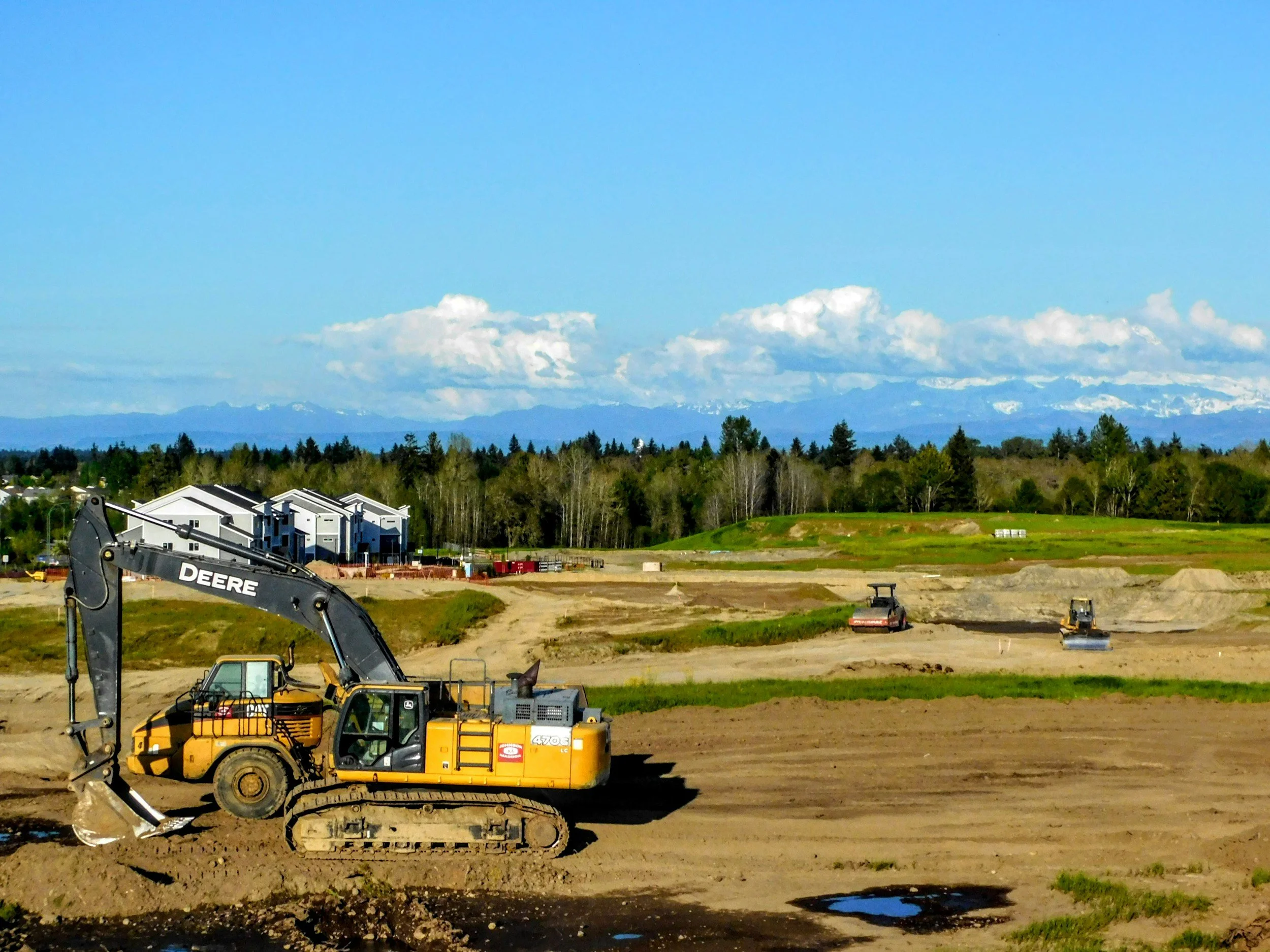
On-site monitoring, documentation, and construction guidance for projects working near active nests or protected bird-use areas.
Environmental Monitoring During Work Near Active Nests or Protected Birds
Construction activities near active bird nests can create compliance concerns, project delays, and uncertainty for contractors and property owners. When protected birds, active nests, eggs, chicks, or dependent young are present within or near a work area, environmental monitoring may be recommended to help document conditions, maintain avoidance measures, and provide practical guidance during construction.
Bear Environmental Consulting provides construction monitoring for protected nesting birds throughout Florida. This service is intended for projects where work may occur near active nests, nesting habitat, avoidance areas, construction buffers, or sensitive bird-use areas.
FWC states that all native bird species in Florida are protected under the federal Migratory Bird Treaty Act, regardless of whether they migrate, and that no intentional take of these birds, their eggs, nests, or young is permitted without proper authorization. The U.S. Fish and Wildlife Service also explains that it is illegal under the MBTA to destroy a nest containing eggs or chicks, or where young birds are still dependent on the nest for survival.
When Construction Monitoring May Be Needed
Construction monitoring for protected nesting birds may be appropriate when:
An active nest is located near clearing, grading, demolition, or construction;
Work must occur near an established nest avoidance area;
A nest was discovered after work had already started;
Contractors need guidance on maintaining a work buffer;
Active bird behavior is occurring near the construction area;
Work is occurring near a raptor nest, wading bird colony, shoreline nest, or structure nest;
A permit, agency recommendation, or project plan requires monitoring;
The project team needs documentation before, during, or after construction activity;
Crews need a qualified environmental professional available to identify changing conditions.
This service is especially useful when a project can continue in some areas but needs to avoid disturbing an active nest or sensitive bird-use area.
What Construction Monitoring May Include
The exact monitoring scope depends on the species, nest status, project activity, site conditions, and any applicable agency guidance or permit conditions. Construction monitoring may include:
pre-work inspection of known nest locations;
observation of adult bird behavior;
documentation of nest status, where visible and appropriate;
confirmation that avoidance areas or buffers remain in place;
monitoring of construction activity near protected nests;
communication with contractors or site supervisors;
recommendations if bird behavior changes;
photo documentation;
daily or periodic monitoring notes;
documentation for the property owner, contractor, or project file;
agency coordination support, where needed.
The goal is to help the project team continue allowable work while reducing the risk of disturbance to active nests or protected birds.
Active Nest Monitoring
Active nest monitoring may be recommended when a nest contains, or may contain, eggs, chicks, or dependent young. Monitoring can help determine whether birds continue to use the nest and whether nearby construction activities appear to be causing behavioral changes.
During monitoring, observations may include:
Adult birds entering or leaving the nest;
Adults carrying food or nesting material;
Vocal chicks or visible young;
Defensive or agitated adult behavior;
Signs that young may have fledged;
Whether construction activities remain outside recommended avoidance areas;
Whether additional protective measures are recommended.
For many projects, monitoring continues until the nest is determined to be inactive or the young have fledged and are no longer dependent on the nest.
Avoidance Areas and Work Buffers
When an active nest is present, an avoidance area or work buffer may be recommended. The appropriate buffer depends on the species, nest location, surrounding habitat, type of construction activity, visibility barriers, noise level, and site-specific conditions.
Construction monitoring can help confirm that:
the avoidance area remains clearly marked;
equipment and personnel stay outside the work limitation area;
clearing, grading, demolition, or maintenance activities do not move into the restricted area;
crews understand where they can and cannot work;
changing site conditions are documented.
For some species, specific guidelines, permit conditions, or agency recommendations may apply. For others, the buffer may be based on professional judgment and site-specific observations.
Contractor Communication and Field Guidance
Protected nesting bird issues often become difficult when field crews are unsure what they are allowed to do. Environmental monitoring can help keep the project organized by providing clear communication between the environmental consultant, contractor, property owner, and project team.
Monitoring support may include:
identifying areas where work should pause or remain restricted;
confirming areas where work may continue;
explaining nest-related restrictions to site personnel;
documenting daily conditions;
notifying the project team if nest activity changes;
recommending rechecks before work resumes near a nest;
helping reduce unnecessary work stoppages while maintaining compliance.
The monitor’s role is not to authorize take or override agency requirements, but to help the project team understand and follow the appropriate avoidance or monitoring plan.
Species That May Require Monitoring
Construction monitoring may be recommended for a variety of protected nesting birds in Florida, including:
hawks and other raptors;
owls;
ospreys;
bald eagles;
Southeastern American kestrels;
wading birds;
shorebirds and seabirds;
sandhill cranes;
swallows, martins, and other structure-nesting birds;
other native birds nesting in or near a work area.
Some species may be subject to additional state or federal protections beyond the general MBTA framework. For example, FWC notes that red-shouldered hawks and their active nests are protected under the MBTA and Florida law, and that active nest removal requires a USFWS MBTA permit. Eagle nests may also involve additional protections under the Bald and Golden Eagle Protection Act.
If a Nest Is Found During Construction
If a nest is discovered during active work, construction should stop in the immediate area until the nest can be evaluated. A nesting bird monitor or environmental consultant can help determine whether the nest appears active, whether eggs or young may be present, and whether work can continue outside an avoidance area.
The response may include:
Documenting the nest location;
Identifying the bird species, when possible;
Evaluating whether the nest appears active;
Establishing a temporary avoidance area;
Notifying the project owner or site supervisor;
Recommending monitoring or follow-up inspections;
Determining whether agency coordination may be needed.
This helps reduce the risk of accidental disturbance while allowing the project team to make informed decisions.
What You May Receive
Depending on the project scope, deliverables may include:
Construction monitoring logs;
Nest status observations;
Site photographs;
Avoidance area documentation;
Contractor communication notes;
Daily or periodic field summaries;
Recommendations for continued work limitations or rechecks;
Documentation of fledging or nest inactivity, where appropriate;
Agency coordination support;
Final monitoring summary.
Important Limitations
Construction monitoring documents observed conditions during the monitoring period. Bird activity can change quickly, and new nests may be established after previous surveys or monitoring visits. Additional inspections may be needed if site conditions change, work areas expand, or new bird activity is observed.
Construction monitoring does not authorize take, disturbance, removal, or destruction of protected birds, eggs, chicks, dependent young, active nests, or other regulated resources. If agency authorization is required, work should not proceed until the appropriate permit, authorization, or guidance has been obtained.
The appropriate monitoring approach depends on species, nest status, project activity, location, timing, and applicable federal or state requirements.
Related Services
Depending on the project, Bear Environmental Consulting may also assist with:
Need Construction Monitoring Near an Active Nest?
Contact Bear Environmental Consulting before continuing work near a protected bird nest. We can help evaluate the situation, monitor active nesting areas, document site conditions, and provide practical guidance for the project team.