
Wetland Permitting & Mitigation Assistance
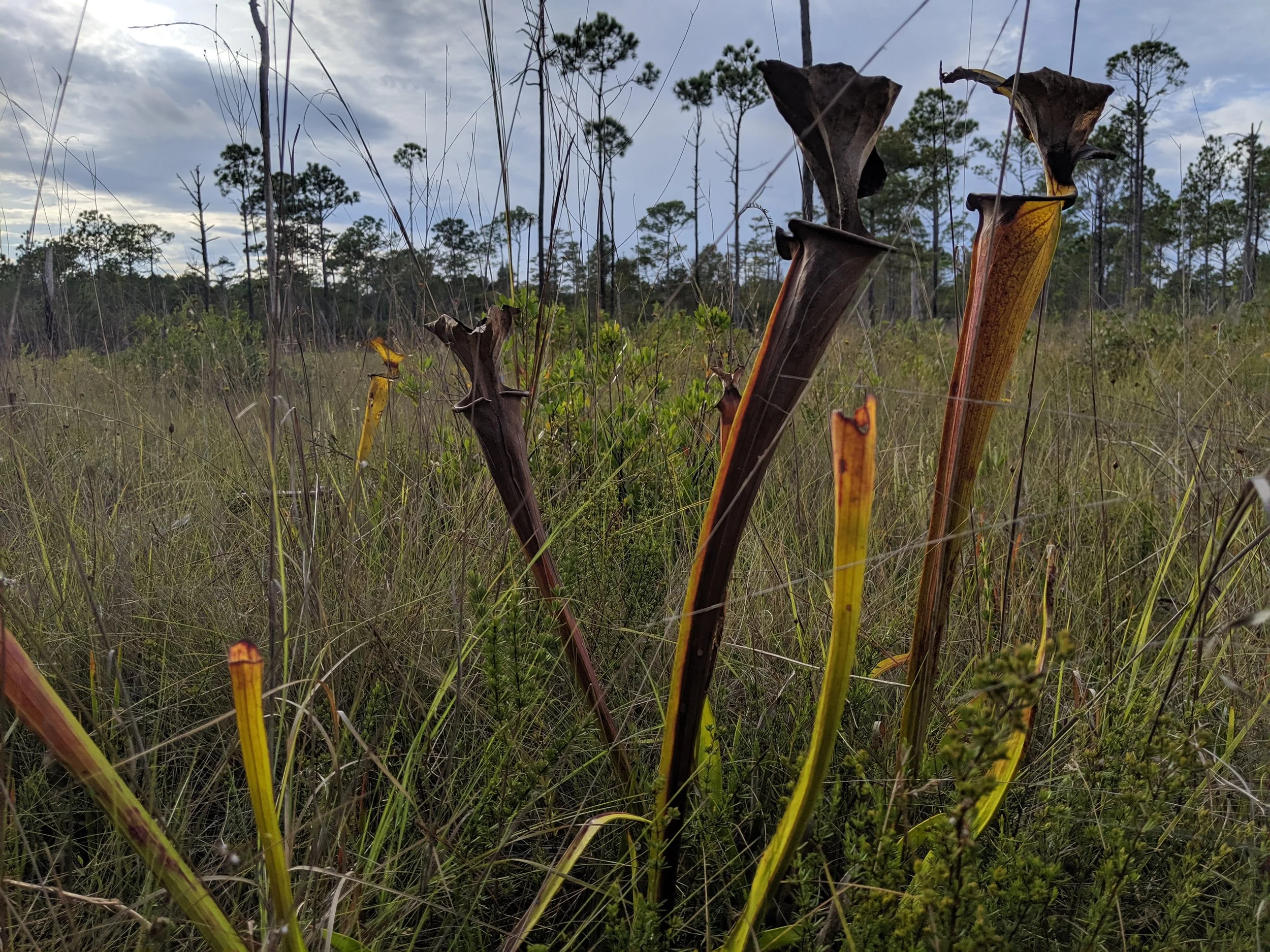
Permitting strategy, impact review, mitigation coordination, and agency support for Florida projects involving wetlands or surface waters.
Permitting Support for Projects Involving Wetlands or Surface Waters
If a project proposes work in or near wetlands, surface waters, ditches, ponds, swales, or other regulated features, environmental permitting may be required before construction can proceed. Wetland impacts can affect project design, agency review, construction timelines, mitigation requirements, and overall development costs.
Bear Environmental Consulting provides wetland permitting and mitigation assistance for property owners, developers, builders, contractors, engineers, planners, and project teams throughout Florida. We help clients understand wetland-related permitting considerations, evaluate potential impacts, coordinate with project teams, and support the permitting process.
When Wetland Permitting May Be Needed
Wetland permitting may be needed when proposed work involves impacts to wetlands or other surface waters. This may include:
Filling wetlands
Grading or excavating within wetlands
Constructing roads, driveways, pads, or structures in wetland areas
Installing utilities through wetlands or surface waters
Constructing or modifying stormwater features
Altering ditches, swales, ponds, or drainage features
Clearing or grubbing wetland vegetation
Installing culverts, crossings, or access routes
Constructing shoreline, dock, or water access improvements
Placing temporary or permanent fill
Creating impacts associated with site development or infrastructure
Even relatively small impacts can require review depending on the location, wetland type, regulatory jurisdiction, and proposed activity.
Wetland Permitting in Florida
Wetland permitting in Florida can involve local, state, and federal review depending on the project location and proposed impacts. Many projects are reviewed through Florida’s Environmental Resource Permit process, while some projects may also involve local government requirements or federal review.
Depending on the project, wetland permitting may involve:
Confirmation of wetland boundaries
Evaluation of proposed impact areas
Avoidance and minimization review
Wetland impact calculations
Preparation of impact exhibits
Mitigation planning or mitigation bank coordination
Responses to agency comments or requests for additional information
Coordination with engineers, surveyors, planners, and project owners
Construction-phase compliance considerations
Because wetland permitting requirements can vary by agency, location, and project type, early review can help identify the appropriate path before design and construction plans are finalized.
Avoidance, Minimization, and Mitigation
Wetland permitting typically begins with evaluating whether wetland impacts can be avoided or reduced. If impacts cannot be avoided, the project may need to demonstrate that impacts have been minimized and that appropriate mitigation will offset unavoidable wetland impacts.
Avoidance
Avoidance means designing the project to stay out of wetlands or other regulated areas where possible. This may include shifting building pads, roads, driveways, utilities, stormwater features, or construction access to upland areas.
Minimization
Minimization means reducing the amount or severity of wetland impact when complete avoidance is not practical. This may include narrowing access routes, adjusting grading limits, reducing fill areas, using boardwalks or culverts, or modifying construction methods.
Mitigation
Mitigation may be required when unavoidable wetland impacts remain after avoidance and minimization have been evaluated. Mitigation may involve purchasing mitigation bank credits, contributing to an approved mitigation option, restoring or enhancing wetlands, preserving wetlands, or implementing other agency-approved mitigation measures.
Bear Environmental Consulting can help project teams evaluate these options and coordinate appropriate next steps.
Mitigation Assistance
Mitigation requirements can vary based on wetland type, impact size, functional value, watershed location, agency requirements, and mitigation availability. The most appropriate mitigation option depends on the specific project and regulatory review process.
Mitigation assistance may include:
Preliminary mitigation needs review
Wetland impact acreage calculations
Coordination with mitigation banks
Review of mitigation bank service areas
Support with mitigation credit availability
Assistance with mitigation cost planning
Preparation of mitigation-related exhibits or summaries
Coordination with engineers or project teams regarding impact reduction options
Support responding to agency mitigation comments
Where mitigation bank credits are available and appropriate, they are often used to satisfy mitigation requirements for development-related wetland impacts. In other cases, project-specific mitigation or alternative mitigation approaches may be needed.
How Bear Environmental Consulting Can Help
Depending on the project scope, Bear Environmental Consulting can assist with:
Review of wetland delineation results
Review of proposed site plans and impact areas
Wetland impact calculations
Preparation of wetland impact maps and exhibits
Permitting strategy and next-step guidance
Support for Environmental Resource Permit applications
Mitigation bank coordination
Mitigation cost planning support
Preparation of environmental narratives or supporting documentation
Responses to agency comments or requests for additional information
Coordination with engineers, planners, surveyors, contractors, and property owners
Construction-phase compliance guidance
Our goal is to help the project team understand wetland permitting requirements early and move through the process as efficiently as possible.
Common Projects That May Need Wetland Permitting
Wetland permitting and mitigation assistance is commonly requested for:
Single-family residential construction
Commercial development
Subdivision planning
Driveway or access road construction
Utility installation
Stormwater pond construction
Fill placement or grading
Agricultural or land management improvements
Roadway or infrastructure projects
Shoreline or waterfront improvements
Wetland crossings
Projects responding to agency review comments
Projects with prior or potential unauthorized wetland impacts
If you are unsure whether your project requires wetland permitting, Bear Environmental Consulting can review the property, proposed work, and wetland conditions to help identify the likely next steps.
What You May Receive
Depending on the project scope and agency requirements, deliverables may include:
Wetland impact exhibit
Wetland impact acreage calculations
GIS-based project maps
Environmental narrative or technical summary
Mitigation bank coordination summary
Mitigation credit estimate or planning support
Permit application support materials
Agency response assistance
Avoidance and minimization recommendations
Construction compliance recommendations
Recommended next steps
The specific deliverables depend on project design, wetland delineation results, proposed impact areas, and permitting requirements.
Important Limitations
Wetland permitting requirements vary depending on site conditions, agency jurisdiction, project design, wetland type, impact acreage, and applicable regulations. A preliminary review does not guarantee permit approval, agency concurrence, or mitigation cost.
Wetland permitting and mitigation assistance does not authorize work until the appropriate permits or approvals have been issued. If wetlands or other surface waters may be affected by a project, it is important to confirm permitting requirements before beginning clearing, filling, grading, excavation, or construction.
Related Services
Depending on your project, Bear Environmental Consulting may also assist with:
Need Help With Wetland Permitting or Mitigation?
Contact Bear Environmental Consulting to discuss your property, wetland conditions, proposed impacts, and project timeline. We can help determine whether wetland permitting, mitigation coordination, or additional environmental review may be needed before work begins.