
Wetland Monitoring
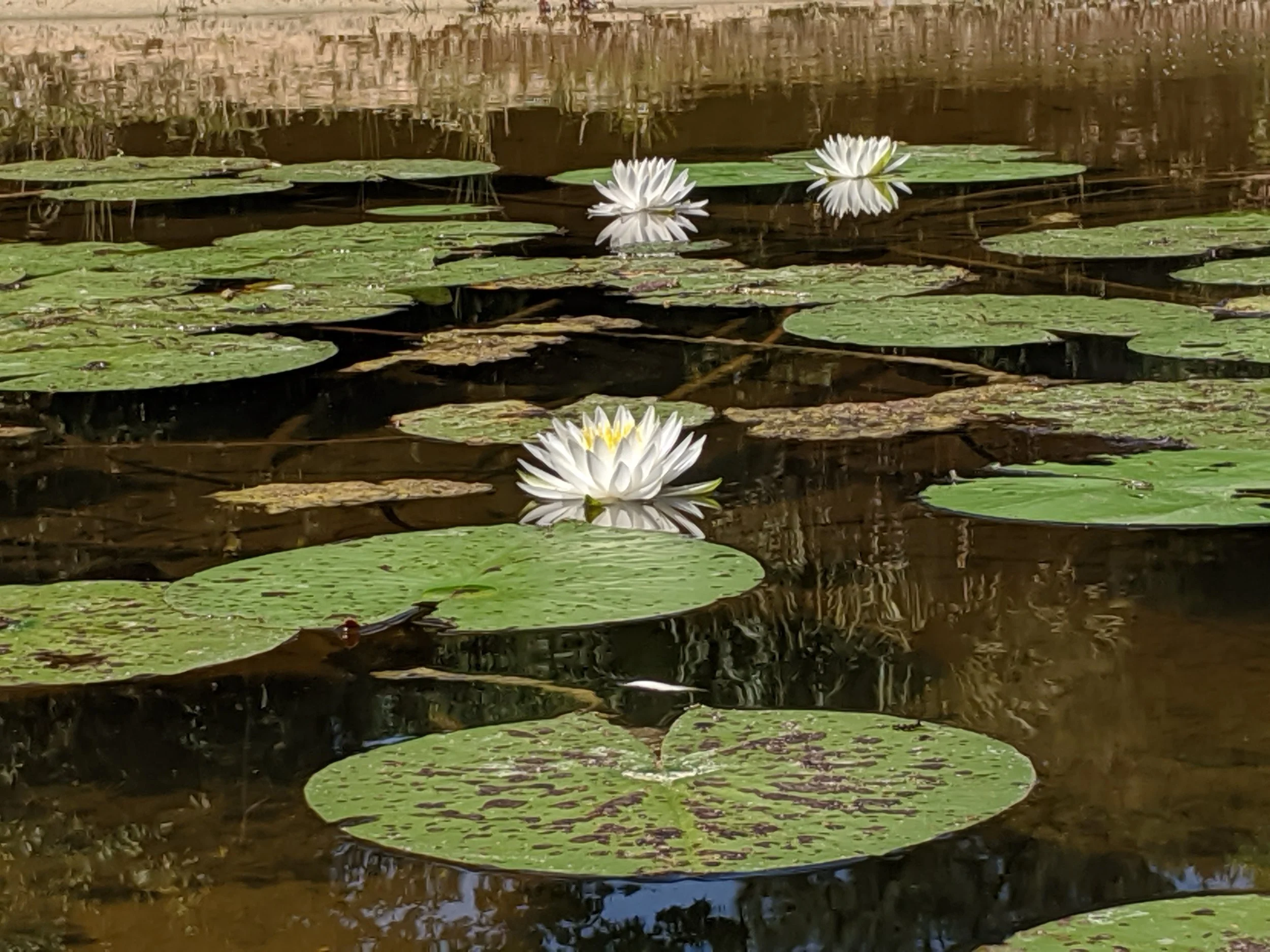
Monitoring and reporting for wetland mitigation areas, restoration sites, conservation areas, permit compliance, and long-term management projects.
Wetland Monitoring for Permit Compliance, Mitigation, and Restoration Projects
Wetland monitoring is often required to document the condition, progress, and long-term success of wetland mitigation, restoration, enhancement, or preservation areas. Monitoring may be required by environmental permits, mitigation plans, conservation easements, agency approvals, or project-specific compliance requirements.
Bear Environmental Consulting provides wetland monitoring services for property owners, developers, contractors, land managers, mitigation projects, restoration sites, and project teams throughout Florida. Our monitoring services help document site conditions, track vegetation and habitat changes, identify maintenance needs, and support compliance with permit or mitigation requirements.
When Wetland Monitoring May Be Needed
Wetland monitoring may be required or recommended for:
Wetland mitigation areas
Wetland restoration projects
Wetland enhancement areas
Conservation areas
Permit-required monitoring programs
Environmental Resource Permit compliance
Compensatory mitigation projects
Post-construction wetland impact areas
Preserved wetlands with management requirements
Sites with invasive or nuisance vegetation concerns
Projects with agency reporting conditions
Restoration planning or adaptive management
Monitoring is often used to evaluate whether a wetland area is meeting required success criteria or whether corrective action may be needed.
What Wetland Monitoring May Include
The exact monitoring scope depends on the permit conditions, mitigation plan, agency requirements, and site-specific goals. Wetland monitoring may include:
Field review of wetland or mitigation areas
Vegetation observations
Assessment of native plant establishment
Documentation of invasive or nuisance vegetation
Hydrologic observations
Representative site photographs
Fixed-point photo documentation
Review of planted areas or restoration zones
Notes on erosion, disturbance, or site maintenance needs
Evaluation of permit or mitigation success criteria
GIS mapping or photo location mapping
Preparation of wetland monitoring reports
Recommendations for maintenance or corrective actions
Monitoring can be tailored to meet the specific requirements of the permit, mitigation plan, or restoration project.
Permit Compliance Monitoring
Many wetland-related permits include conditions that require monitoring and reporting for a set period after construction, restoration, or mitigation activities are completed. These conditions may require periodic field inspections, photo documentation, vegetation observations, and written reports submitted to the appropriate agency or project team.
Permit compliance monitoring helps demonstrate that required wetland areas are being maintained, mitigation areas are progressing toward success criteria, and project conditions are being followed.
This type of monitoring can help document:
Whether required plantings are surviving
Whether native vegetation is establishing
Whether invasive vegetation is becoming a concern
Whether hydrologic conditions appear appropriate
Whether unauthorized disturbance has occurred
Whether corrective maintenance may be needed
Whether the site appears to be progressing toward permit-required goals
Mitigation and Restoration Monitoring
Wetland mitigation and restoration projects often require multiple years of monitoring to evaluate success over time. Monitoring helps determine whether the site is developing as intended and whether adaptive management may be needed.
Mitigation and restoration monitoring may evaluate:
Native wetland vegetation establishment
Survival of planted trees, shrubs, or herbaceous species
Percent cover of native and nuisance vegetation
Wetland hydrology indicators
Habitat structure and development
Invasive species presence
Evidence of site disturbance
Progress toward success criteria
Maintenance or replanting needs
The goal is to provide clear documentation that supports the long-term success of the mitigation or restoration area.
Invasive and Nuisance Vegetation Observations
Invasive and nuisance vegetation can affect the success of wetland mitigation, restoration, and conservation areas. During wetland monitoring, Bear Environmental Consulting may document the presence, distribution, or approximate extent of invasive or nuisance species and recommend management actions when appropriate.
Common monitoring concerns may include:
Increasing coverage of invasive or nuisance plants
Poor survival of installed native plantings
Competition between invasive and desirable native vegetation
Areas requiring herbicide treatment, removal, or follow-up maintenance
Conditions that may prevent the site from meeting success criteria
Early identification of invasive vegetation issues can help reduce long-term maintenance problems and improve the likelihood of successful project completion.
What You Receive
Depending on the project scope and reporting requirements, deliverables may include:
Wetland monitoring report
Field observation summary
Site photographs
Fixed-point photo documentation
Vegetation observations
Invasive or nuisance species notes
Hydrologic observations
GIS maps or photo location exhibits
Maintenance or corrective action recommendations
Summary of progress toward success criteria
Agency-ready monitoring documentation, where applicable
The specific deliverables depend on the permit conditions, monitoring plan, agency requirements, and project goals.
Why Wetland Monitoring Matters
Wetland monitoring helps project teams stay informed about site conditions and avoid surprises during required reporting periods. Without regular monitoring, issues such as invasive species, poor planting survival, erosion, hydrologic problems, or unauthorized disturbance may go unnoticed until they become more difficult or costly to correct.
Wetland monitoring can help answer questions such as:
Is the mitigation or restoration area progressing as expected?
Are native plantings surviving and establishing?
Are invasive or nuisance species becoming a problem?
Are hydrologic conditions supporting wetland development?
Are maintenance or corrective actions needed?
Is the site meeting permit or mitigation success criteria?
Is documentation needed for agency compliance?
Common Wetland Monitoring Projects
Wetland monitoring services are commonly requested for:
Permit-required wetland mitigation areas
Wetland restoration projects
Wetland enhancement areas
Conservation easements
Residential or commercial development permits
Stormwater-adjacent wetland areas
Roadway or utility projects
Post-construction compliance sites
Invasive species management follow-up
Long-term land management projects
Agency response or corrective action situations
Important Limitations
Wetland monitoring documents observed conditions at the time of each site visit. Monitoring results may vary based on season, weather, hydrology, site maintenance, recent disturbance, and vegetation growth.
Monitoring does not by itself guarantee agency approval, permit closeout, mitigation success, or release from future obligations. If site conditions are not meeting required criteria, maintenance, adaptive management, replanting, invasive species treatment, or additional agency coordination may be needed.
Related Services
Depending on your project, Bear Environmental Consulting may also assist with:
Need Wetland Monitoring for a Permit, Mitigation Area, or Restoration Site?
Contact Bear Environmental Consulting to discuss your permit conditions, monitoring requirements, project location, and reporting schedule. We can help determine the appropriate wetland monitoring scope and reporting needs.