
Regulatory Environmental Assessments
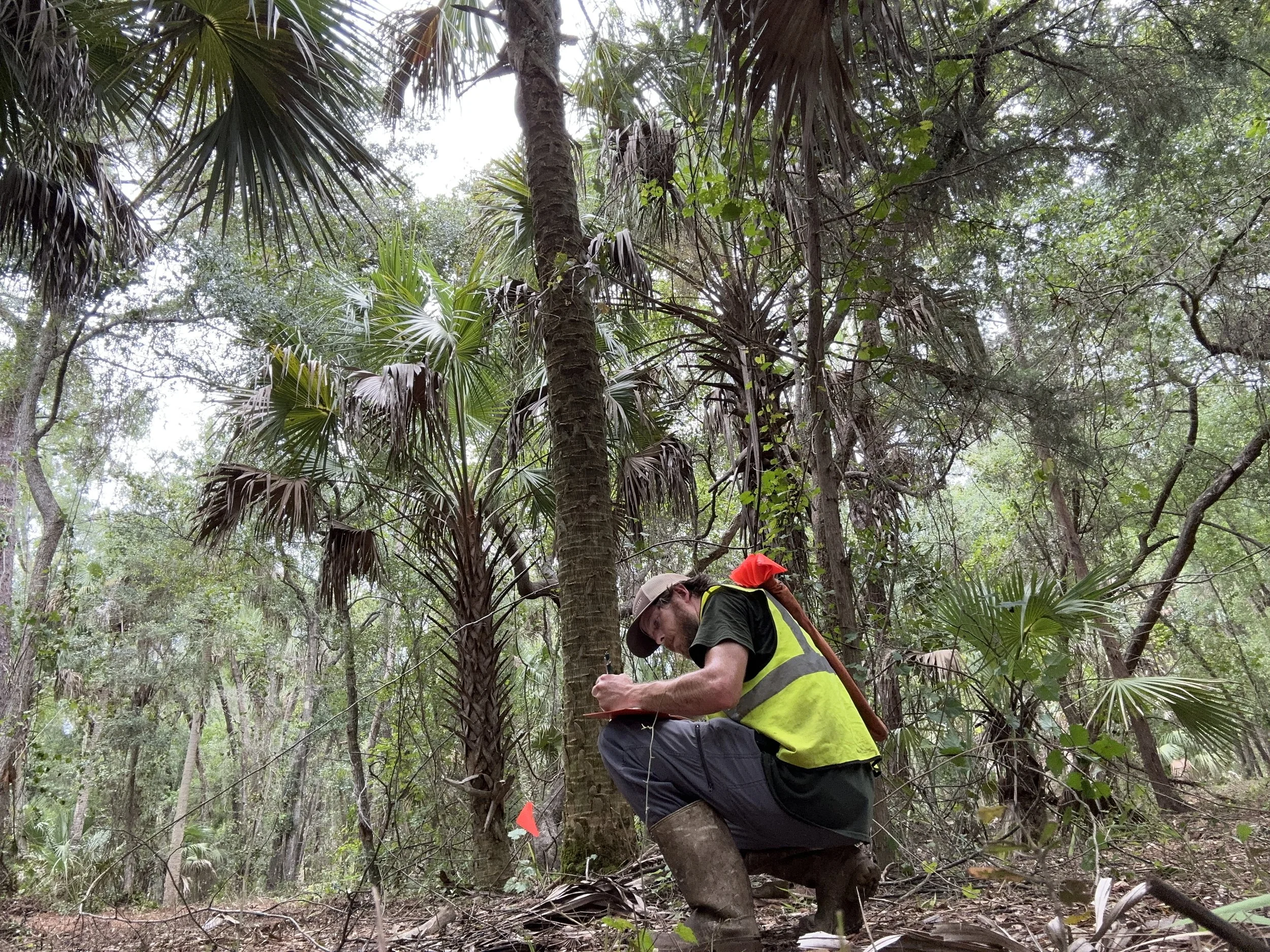
Project-specific environmental review to support permitting, planning, agency coordination, and construction preparation in Florida.
Environmental Review for Permitting, Planning, and Agency Coordination
Regulatory Environmental Assessments help identify environmental conditions that may affect land development, permitting, site design, agency review, or construction planning. These assessments are intended for projects where environmental issues need to be evaluated in a more formal, project-specific way.
Bear Environmental Consulting provides Regulatory Environmental Assessments for property owners, developers, builders, contractors, engineers, planners, and project teams throughout Florida. Our goal is to identify potential environmental constraints, document relevant site conditions, and provide practical recommendations for next steps.
When a Regulatory Environmental Assessment May Be Needed
A Regulatory Environmental Assessment may be useful when a project is moving beyond early due diligence and into planning, permitting, or construction preparation.
This service may be appropriate if:
A county, municipality, or agency has requested environmental information
A project is entering site design, development review, or permitting
Wetlands or surface waters may affect the proposed work area
Protected species habitat may be present on or near the property
Gopher tortoise burrows or suitable habitat may affect clearing or construction
A project team needs environmental information before submitting plans
An engineer, planner, or contractor needs environmental constraints identified
A property owner needs to understand what surveys, permits, or avoidance measures may be required
A site has potential environmental conditions that could affect project layout or schedule
This type of assessment is often more detailed than a basic due diligence review and is designed to support decision-making during the regulatory and project planning process.
What We Review
Depending on the property, project goals, and requested scope, a Regulatory Environmental Assessment may include review of:
Project location and proposed site use
Current and historical aerial imagery
County property appraiser information
Soil survey data
Wetland and surface water mapping resources
Floodplain or drainage information
Land use and land cover data
On-site habitat conditions
Protected species consultation areas
Potential listed species habitat
Potential gopher tortoise habitat and visible burrows
Burrowing owl habitat, where applicable
Nesting bird considerations, where applicable
Wetlands, ditches, ponds, swales, or other surface waters
Existing site disturbance or land management conditions
Adjacent land uses and surrounding habitat
Potential permitting triggers
Possible avoidance, minimization, or mitigation considerations
The exact scope can be tailored to the project and the level of documentation needed.
Field Review and Site Documentation
Regulatory Environmental Assessments typically include a field inspection to document current site conditions. During the field review, Bear Environmental Consulting evaluates environmental features that may affect the project and records observations that can help guide permitting, design, and compliance decisions.
Field observations may include:
General habitat types and vegetation communities
Potential wetland indicators
Surface waters, drainage features, or low-lying areas
Suitable habitat for protected wildlife species
Evidence of wildlife use
Potential gopher tortoise burrows or burrow habitat
Potential nesting bird concerns
Existing disturbance, clearing, or development activity
Environmental buffers or sensitive areas
Conditions that may warrant additional surveys or agency coordination
Where appropriate, field observations may be supported with photographs, maps, GPS data, and written documentation.
Regulatory and Permitting Considerations
A Regulatory Environmental Assessment can help identify or even include additional environmental services or permitting steps that may be needed before a project moves forward.
Potential next steps may include:
Agency coordination with local, state, or federal reviewers
Not every project will require additional services. The purpose of the assessment is to identify likely concerns and help determine the most appropriate path forward.
What You Receive
Depending on the project scope, a Regulatory Environmental Assessment may include:
Written assessment report or technical memorandum
Site photographs
Property location map
Aerial or GIS-based exhibits
Land cover or habitat mapping
Summary of field observations
Preliminary wetland and surface water observations
Protected species and habitat evaluation
Summary of potential permitting considerations
Recommended next steps
Supporting information for project planning, design, or agency review
Reports can be prepared in a format appropriate for the intended use, whether the assessment is for internal project planning, client review, consultant coordination, or regulatory submittal support.
How This Differs from a Due Diligence Assessment
Due Diligence Environmental Assessment
A Due Diligence Environmental Assessment is typically used before purchasing or developing a property. It provides a practical review of potential environmental constraints to help with early decision-making.
Regulatory Environmental Assessment
Bear Environmental Consulting understands that environmental regulations can be confusing, especially when multiple agencies, permits, or species concerns are involved. Our assessments are written to clearly explain what was observed, why it matters, and what steps may be needed next.
We work to provide practical recommendations that help property owners and project teams understand their options and move forward responsibly.
Why Regulatory Environmental Review Matters
Environmental constraints can affect site layout, usable acreage, permit requirements, construction timing, and project costs. Identifying these issues early in the regulatory process can help reduce delays and prevent avoidable conflicts with agency requirements.
A Regulatory Environmental Assessment can help answer questions such as:
Are wetlands, surface waters, or drainage features likely to affect the project?
Is a formal wetland delineation recommended?
Is there suitable habitat for gopher tortoises or other listed species?
Are additional protected species surveys recommended?
Could clearing or construction require permits, relocation, monitoring, or avoidance measures?
Are there environmental constraints that should be shown on project plans?
Should the project team coordinate with local, state, or federal agencies before moving forward?
Clear Communication for Project Teams
A Regulatory Environmental Assessment is generally more project-specific and is used when a property is moving toward permitting, development review, design, clearing, or construction. It may involve more detailed documentation, clearer regulatory recommendations, and closer coordination with project plans or agency requirements.
If your project is already in design, permitting, or review, a Regulatory Environmental Assessment is usually the better fit.
Need Environmental Review for Permitting or Development?
Contact Bear Environmental Consulting to discuss your project, property location, proposed work, and current stage of planning. We can help determine whether a Regulatory Environmental Assessment is the right fit or whether a more specific service may be needed.