
Construction-Phase Environmental Monitoring
Field monitoring, documentation, and contractor communication during clearing, grading, construction, and site work near sensitive environmental resources.
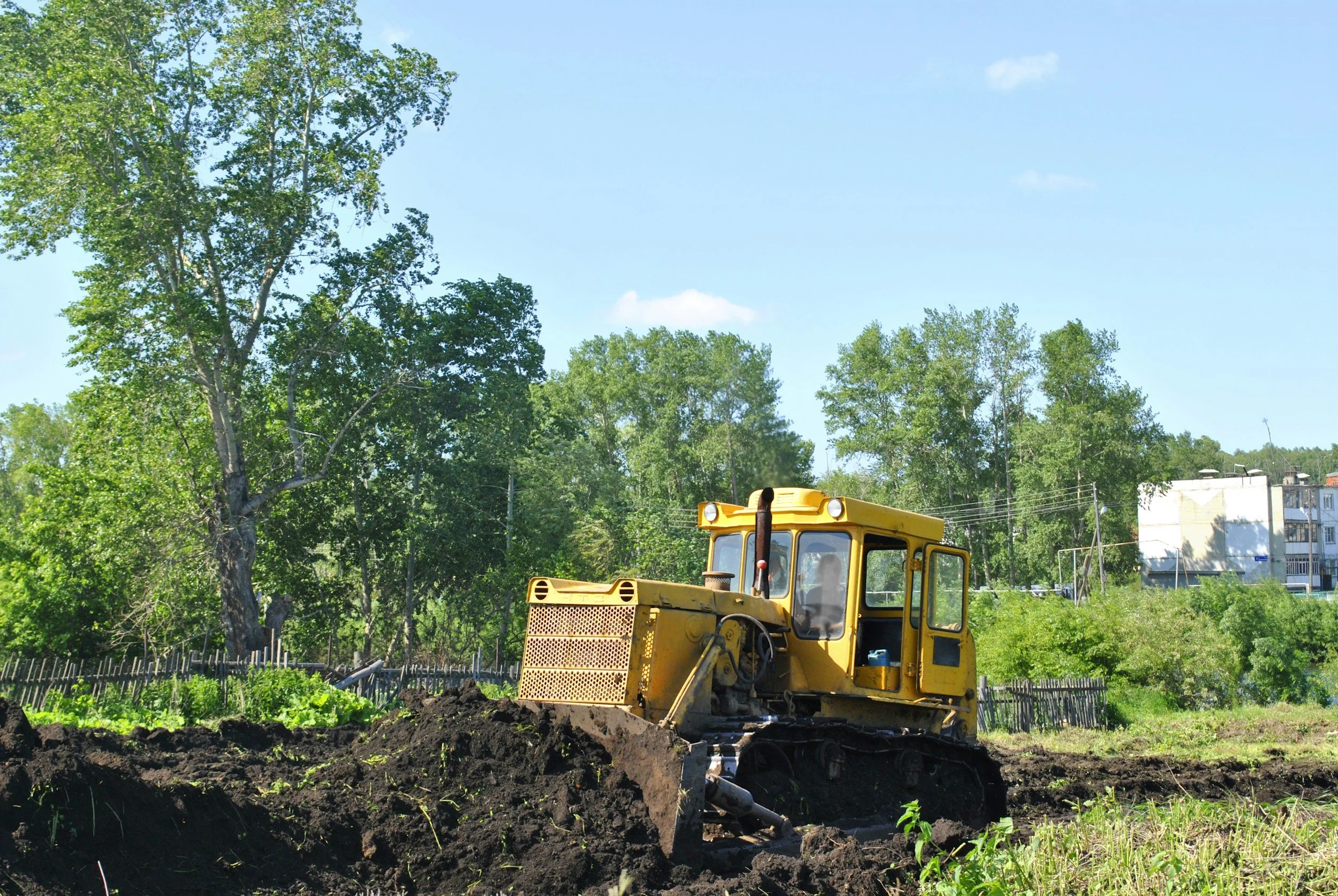
Environmental Field Support During Clearing, Grading, and Construction
Construction-phase environmental monitoring provides field support during active site work to help project teams maintain awareness of protected species, wetlands, buffers, conservation areas, permit conditions, erosion controls, and other environmental protection measures.
Bear Environmental Consulting provides construction-phase environmental monitoring for property owners, developers, builders, contractors, utilities, engineers, and project teams throughout Florida. This service is designed for projects where environmental conditions need to be observed, documented, and communicated during active construction activities.
Our role is to help the project team understand environmental requirements in the field, document site conditions, and identify potential concerns before they become larger compliance issues.
When Construction-Phase Monitoring May Be Needed
Construction-phase environmental monitoring may be recommended or required when:
clearing, grading, or construction is occurring near wetlands or surface waters
work is occurring near protected wildlife, active nests, burrows, or habitat features
permit conditions require environmental monitoring or reporting
exclusionary fencing, silt fencing, turbidity barriers, or other protection measures must be maintained
construction must stay outside approved limits of work
wetlands, buffers, conservation areas, or preserve areas must be protected
protected species avoidance measures are required
a project has agency conditions, mitigation requirements, or compliance documentation needs
site conditions are likely to change during construction
contractors need field guidance on environmental restrictions
This type of monitoring is especially useful when a project can proceed, but only if certain environmental protection measures, permit conditions, or avoidance areas are followed.
What Construction-Phase Monitoring May Include
The exact monitoring scope depends on the project type, permit conditions, construction schedule, environmental risks, and site-specific requirements. Construction-phase environmental monitoring may include:
pre-construction site review
pre-construction meeting or contractor briefing
review of applicable environmental permit conditions
observation during clearing, grading, or construction
monitoring near protected species habitat, active nests, burrows, or sensitive areas
inspection of silt fencing, exclusionary fencing, turbidity barriers, or other controls
review of wetland, buffer, conservation, or preserve boundaries
documentation of work limits and restricted areas
field communication with contractors or site supervisors
site photographs and monitoring notes
daily, weekly, or periodic monitoring logs
corrective action recommendations
final monitoring summary or project closeout documentation
Monitoring can be scheduled for specific construction activities, on a recurring basis, or as required by permit conditions.
Protected Species and Wildlife Monitoring
Construction-phase monitoring may be needed when protected species or sensitive wildlife features occur within or near the project area. This may include listed wildlife, active nests, burrows, cavities, or habitat features that require avoidance, monitoring, or documentation during construction.
Monitoring may involve:
gopher tortoise burrows
burrowing owl burrows
active migratory bird nests
bald eagle nest management areas
Southeastern American kestrel nest cavities
wading bird nesting areas
sandhill cranes
raptors
other listed or protected wildlife species
Depending on the situation, monitoring may include wildlife observations, construction buffer checks, crew communication, pre-work inspections, or documentation of activity near sensitive features.
Wetlands, Buffers, and Conservation Areas
Construction near wetlands, surface waters, wetland buffers, conservation easements, or preserve areas can create compliance risks if work limits are unclear or environmental protection measures are not maintained.
Construction-phase environmental monitoring can help document:
whether work is staying outside wetland or buffer limits
whether silt fence, turbidity controls, or protective barriers remain functional
whether equipment, fill, debris, or construction materials remain outside restricted areas
whether wetland flagging or conservation boundary markers remain visible
whether erosion, sediment movement, or disturbance is occurring near sensitive areas
whether corrective actions are recommended
This is especially useful for projects with Environmental Resource Permit conditions, local development approvals, mitigation requirements, or conservation area protections.
Environmental Protection Measure Inspections
Many projects rely on temporary environmental protection measures to prevent impacts during construction. These measures are only effective if they are properly installed, maintained, and repaired when damaged.
Construction-phase monitoring may include inspection of:
silt fence
exclusionary fencing
turbidity barriers
tree protection fencing
wetland or conservation boundary fencing
construction-limit fencing
wildlife exclusion measures
signage and flagging
erosion and sediment controls
temporary access controls
If issues are observed, Bear Environmental Consulting can document the condition and recommend corrective action to the project team.
Pre-Construction Briefings
Pre-construction communication can help prevent avoidable compliance issues. Before work begins, Bear Environmental Consulting can assist with field briefings to help contractors understand environmental requirements and site-specific concerns.
A pre-construction briefing may cover:
known protected species concerns
active nests, burrows, cavities, or wildlife buffers
wetland and conservation area boundaries
permit conditions relevant to field crews
required silt fence, exclusionary fence, or protection measures
work limits and restricted areas
stop-work procedures if protected wildlife or nests are observed
communication procedures if conditions change
This gives contractors and site supervisors a clear understanding of what to watch for before equipment begins moving.
Corrective Action Support
Construction-phase monitoring can help identify small issues before they become larger problems. When field concerns are observed, timely corrective action can help reduce the risk of environmental impacts, enforcement concerns, or project delays.
Corrective actions may include:
repairing damaged silt fence or exclusionary fence
reinstalling missing flagging, stakes, or signage
removing sediment, debris, or equipment from restricted areas
adjusting access routes or staging locations
pausing work near newly observed wildlife or nests
requesting additional survey or agency coordination
documenting corrective actions after they are completed
Bear Environmental Consulting can provide practical field recommendations and documentation for the project team.
Common Projects That Need Construction-Phase Monitoring
Construction-phase environmental monitoring may be requested for:
residential construction
commercial development
subdivision construction
utility installation
roadway or access construction
stormwater pond construction
wetland impact or mitigation projects
gopher tortoise relocation or exclusion projects
burrowing owl or nesting bird projects
projects near bald eagle nests or kestrel cavities
projects near wetlands, buffers, or conservation areas
projects with environmental permit conditions
projects with prior agency concerns or compliance issues
What You May Receive
Depending on the project scope, deliverables may include:
pre-construction briefing documentation
construction monitoring logs
site photographs
environmental protection measure inspection notes
protected species observation summaries
wetland, buffer, or conservation area observations
contractor communication notes
corrective action recommendations
daily, weekly, or periodic monitoring reports
final monitoring summary
agency coordination support, where applicable
Important Limitations
Construction-phase environmental monitoring documents observed conditions during the monitoring period. Site conditions, construction activities, weather, erosion-control conditions, wildlife activity, and contractor access may change between monitoring visits. Additional inspections, surveys, corrective actions, or agency coordination may be recommended if conditions change.
Construction-phase monitoring does not authorize impacts to wetlands, surface waters, protected species, active nests, burrows, conservation areas, or other regulated resources. If a permit modification, additional authorization, relocation, restoration, or agency approval is required, work should not proceed until the appropriate path has been confirmed.
The appropriate monitoring scope depends on permit conditions, species concerns, project activity, site conditions, construction schedule, and applicable local, state, or federal requirements.
Related Services
Depending on the project, Bear Environmental Consulting may also assist with:
Need Environmental Monitoring During Construction?
Contact Bear Environmental Consulting to discuss your project schedule, permit conditions, environmental protection measures, and known site concerns. We can help determine the appropriate monitoring scope and provide clear field documentation during construction.